
Broccoli is not a type of cauliflower, both belong to the Brassicaceae family but belong to different varieties. Broccoli and cauliflower have significant differences in morphology, nutritional value, and taste, mainly due to differences in variety, appearance characteristics, nutritional composition, cooking methods, and storage conditions.
1. Variety Differences
The scientific name of broccoli is broccoli, and the scientific name of cauliflower is cauliflower, both of which are variants of cabbage. Although both belong to the Brassicaceae family and the Brassica genus, broccoli is derived from the variation of the stem and bud of wild cabbage, while cauliflower is formed from the variation of the inflorescence of wild cabbage. From the perspective of plant taxonomy, the two belong to different cultivated varieties produced by parallel evolution.
2. Appearance Features
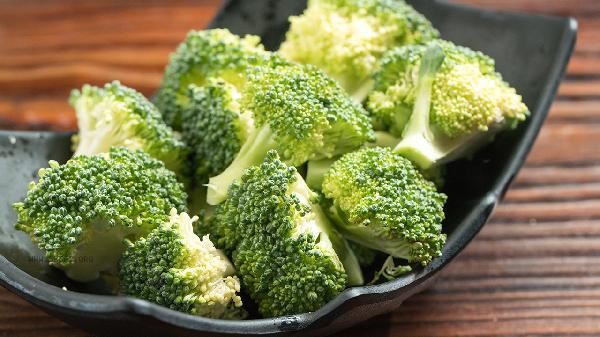
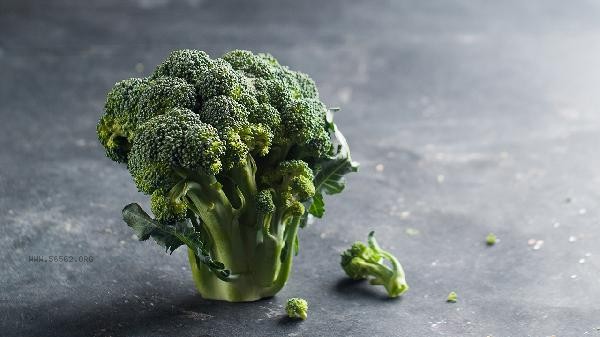
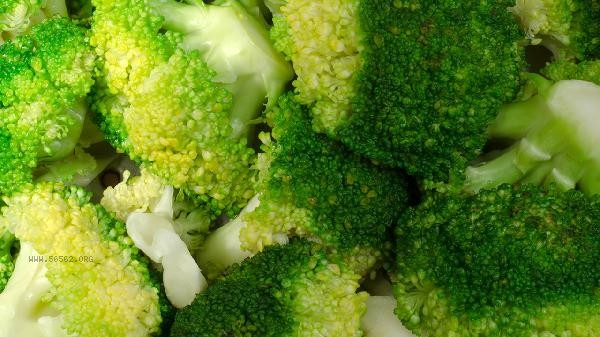
Broccoli has distinct dark green flower bulbs, composed of dense small flower buds and longer stems, with a granular surface. Cauliflower forms a milky white compact flower ball, formed by the expansion of short and shortened flower branches at the top, with a smooth and flat surface. Broccoli has a thicker stem and a higher proportion of edible parts.
3. Nutrients
Broccoli is rich in sulforaphane and vitamin K, with vitamin C content more than twice that of cauliflower, and significantly higher calcium and folate content. Cauliflower contains more glucosinolates, with a slight advantage in potassium and dietary fiber content. Both contain anti-cancer active substances, but there are differences in the specific composition ratios.
4. Cooking method
Broccoli is suitable for short-term stir frying or blanching and cold mixing. Overcooking can lead to nutrient loss and texture softening. Cauliflower can withstand longer stewing times and is commonly used to make thick soups or curries. Its tissue structure remains relatively intact even after prolonged heating. Both can be used as salad ingredients, but broccoli is more suitable for quick blanching before use.
5. Storage Conditions
Broccoli has a shelf life of about 3-5 days in a refrigerated environment, and a humid environment can easily cause the flower buds to mold. Cabbage can be stored in cold storage for about a week, and its tightly packed flower ball structure is more resistant to storage. Both should be avoided from being stored together with fruits that release a large amount of ethylene. It is recommended to wrap them in plastic wrap and place them upright in the refrigerator compartment.
Broccoli can be paired with cauliflower in daily diet, and it is recommended to use low-temperature cooking methods such as steaming to maximize nutrient retention. It is advisable to consume cruciferous vegetables 3-4 times a week, and individuals with gastrointestinal sensitivity should control their single intake. When purchasing, choose fresh plants with tight flower buds and no yellowing. When processing, the stem can be peeled to enhance the taste. Special populations such as those with thyroid dysfunction should consult a physician before consuming in moderation.








Comments (0)
Leave a Comment
No comments yet
Be the first to share your thoughts!