
The enema weight loss method is an intervention that reduces weight by cleaning the intestines, which may result in short-term weight loss but carries health risks and cannot truly reduce fat.
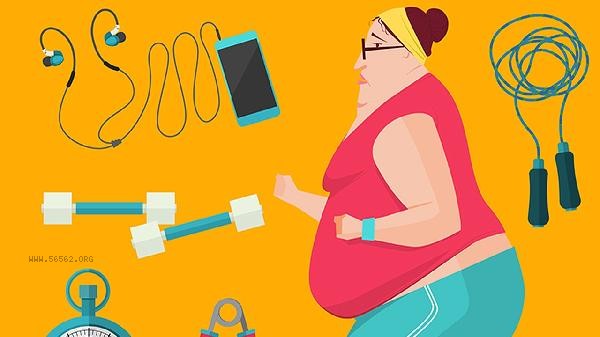
enema weight loss method stimulates bowel movements by injecting liquid, which may reduce intestinal contents and water in a short period of time, causing temporary weight loss. This method may lead users to mistakenly believe that it achieves a weight loss effect, but in reality, it reduces water and fecal weight, not fat consumption. Frequent enema may disrupt the normal balance of gut microbiota, leading to electrolyte imbalance, dehydration, or intestinal wall damage. Some individuals may experience bloating, abdominal pain, or dependence on bowel movements. Long term use may interfere with the spontaneous peristalsis function of the intestine, and instead exacerbate constipation problems. From a medical perspective, enema is originally a medical method used for treating constipation or preoperative preparation. Using it as a weight loss method not only lacks scientific basis, but may also mask the true cause of weight problems. Obesity treatment should be based on comprehensive interventions such as dietary adjustments and exercise. It is recommended that individuals with weight loss needs improve their weight status through safe methods such as controlling daily calorie intake and increasing aerobic exercise. If necessary, they can consult a clinical nutritionist to develop personalized plans.

Proper weight management should balance nutrition and exercise science, ensuring adequate intake of high-quality protein, dietary fiber, and vitamins daily, and avoiding high sugar and high-fat diets. Maintain at least 150 minutes of moderate intensity exercise per week, such as brisk walking, swimming, etc. Keeping a diet and exercise diary can help cultivate healthy habits. If there is an unexplained weight change, it is necessary to seek medical attention in a timely manner to check for endocrine and metabolic diseases, rather than using irregular weight loss methods on one's own.








Comments (0)
Leave a Comment
No comments yet
Be the first to share your thoughts!