
The identification methods for toxic mushrooms mainly include observing color and morphology, checking gills and stems, smelling odors, examining growth environment, and conducting professional identification. Eating poisonous mushrooms by mistake may lead to serious poisoning or even death. It is recommended to remain highly vigilant when collecting wild mushrooms.
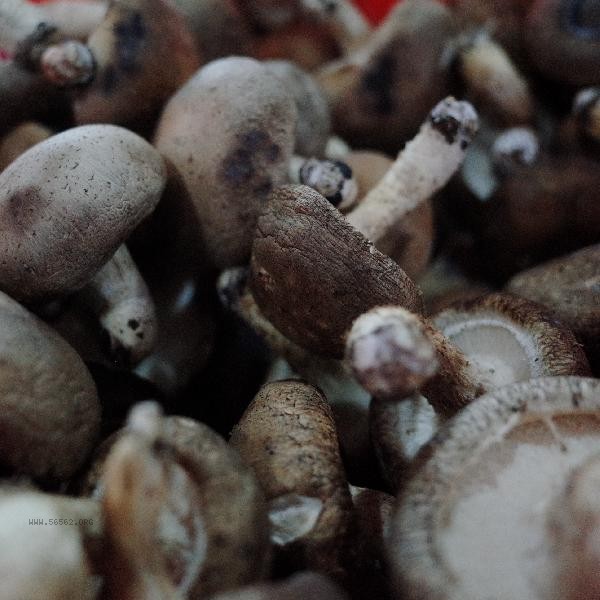
1. Observing color and morphology
Poisonous mushrooms often have bright or abnormal colors, such as red, orange, purple, etc., and some species have spots or scales on their surfaces. There may be features such as a central protrusion and irregular edges on the cap in terms of morphology. However, it should be noted that some edible mushrooms may also exhibit bright colors, and relying solely on color alone is not reliable.
2. Check the gills and stalks.
The gills of poisonous mushrooms may appear white, light yellow, or green, and some types of gills may change color after injury. The base of the mushroom stem often has an enlarged stipe or circular structure, and some poisonous mushrooms have hollow or fragile stems. The gills of edible mushrooms are usually brown or pink, and the stem texture is relatively solid.
3. Smell
Most poisonous mushrooms have a pungent chemical odor, bitter almond flavor, or spoilage flavor, while edible mushrooms often emit a light fragrance or have no obvious odor. But some highly toxic mushrooms have a weak odor, and safety cannot be judged solely based on their odor.
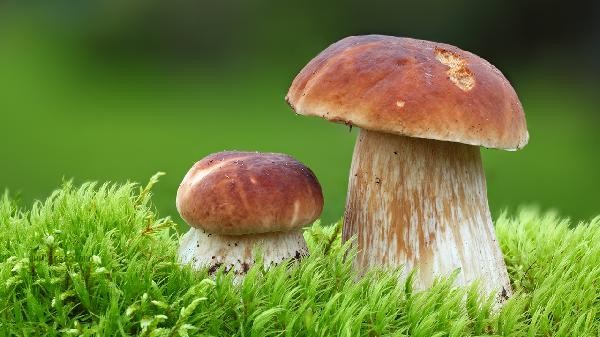
4. Check the growth environment
Poisonous mushrooms often grow near decaying wood, feces, or in dark and damp places, and some species coexist with specific tree species. However, environmental characteristics can only serve as auxiliary references, as toxic and edible species may coexist in the same area. The most reliable method for professional identification is to bring the sample to the Centers for Disease Control and Prevention or edible mushroom research institutions, and identify it through professional means such as observing spore morphology under a microscope. The folk methods for detecting silver needles turning black and garlic discoloration have no scientific basis, so do not believe them easily.
To prevent mushroom poisoning, it is important to remember not to eat unfamiliar wild mushrooms and not to purchase mushroom products from unknown sources. After ingestion, symptoms of poisoning such as nausea, vomiting, abdominal pain, diarrhea, and hallucinations may occur. It is necessary to immediately bring the remaining mushroom samples for medical treatment. It is recommended to choose common edible mushrooms sold in regular markets for daily diet, such as shiitake mushrooms, shiitake mushrooms, and enoki mushrooms, and heat them thoroughly before cooking. Educate children not to pick mushrooms randomly during outdoor activities, and the elderly and those with liver and kidney dysfunction should be more cautious.








Comments (0)
Leave a Comment
No comments yet
Be the first to share your thoughts!