
The shells of soybean sprouts are easy to separate and can be processed by soaking and kneading. The difficulty in separating soybean sprout shells is mainly related to factors such as dry bean sprout skin, insufficient freshness of bean sprouts, short soaking time, inappropriate water temperature, and insufficient kneading force.
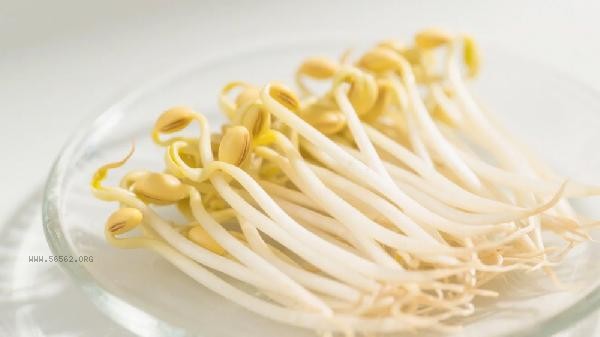
1. Soaking treatment
Soak the soybean sprouts in clean water for about 10 minutes to fully absorb water and soften the bean sprout skin. It is advisable to keep the water temperature at room temperature, as excessive water temperature may cause nutrient loss from bean sprouts. During the soaking process, gently stir to help separate the bean shell from the bud. For soybean sprouts that have been stored for a long time, the soaking time can be appropriately extended to 15 minutes.
2. Rubbing technique
After soaking, the soybean sprouts can be gently rubbed with both hands to allow the bean shells and sprouts to naturally fall off. When kneading, the force should be even and moderate to avoid damaging the bean sprouts with excessive force. You can use both hands to pick up the bean sprouts and gently rub them in a circular motion, or place them in a strainer and rinse with running water to assist in kneading. Some stubborn bean shells can be gently twisted open with fingers.
3. Rinse with water
Place the soaked and kneaded soybean sprouts in a strainer and rinse repeatedly with running water. The impact of water flow helps to remove loose bean shells, and shaking the strainer appropriately during flushing is more effective. It is recommended to use moderate water pressure to avoid high-pressure water flow damaging the integrity of bean sprouts. During the flushing process, slight shaking can be used to allow the bean shells to naturally separate with the water flow.
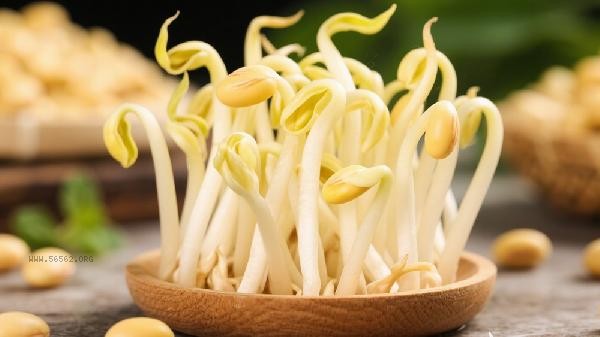
4. Screening and Separation
The washed soybean sprouts can be placed in a large basin of clean water. The bean shells will float on the water surface due to their light density, and can be gently skimmed off with a spoon or chopsticks. Repeating water changes 2-3 times can remove most of the residual bean shells. For a small amount of bean shells that sink to the bottom, chopsticks or fingers can be used to gently pick them. This method is particularly suitable for large-scale processing of soybean sprouts.
5. Tool assistance
can use a fine mesh spoon or vegetable dehydration basket to help separate bean shells. Put the soybean sprouts into the container and gently shake them to allow the bean shells to leak out of the mesh. Alternatively, two containers can be alternately dumped to use the drop to disperse the bean shells. Pay attention to gentle handling to avoid bean sprouts breaking. For large-scale processing in the catering industry, vegetable washing machines can be considered.
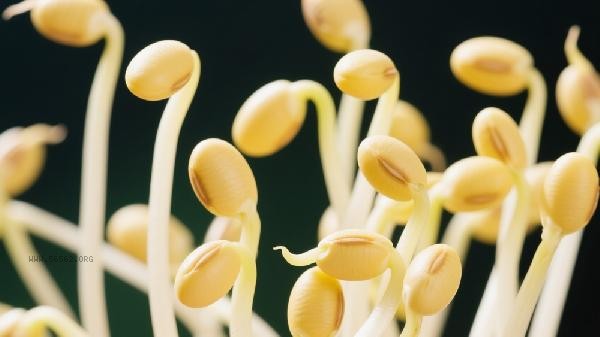
It is recommended to cook the soybean sprouts as soon as possible after cleaning to avoid nutrient loss caused by prolonged soaking. During daily storage, it can be placed in a fresh-keeping bag and refrigerated to maintain appropriate humidity. When making a purchase, choose soybean sprouts with full and non browning sprouts. Sprouts with high freshness are easier to handle. During the cleaning process, pay attention to maintaining the hygiene of the workbench, separate raw and cooked ingredients, and ensure food safety. Soybean sprouts are rich in plant protein and dietary fiber, and moderate consumption can help supplement nutrients.








Comments (0)
Leave a Comment
No comments yet
Be the first to share your thoughts!