
Pesticide residues on the surface of fruits can be effectively removed through methods such as rinsing with running water, soaking in baking soda, peeling, using specialized cleaning agents, and high-temperature hot washing. The cleaning methods for different fruits need to be adjusted according to their skin characteristics, with a focus on strengthening the treatment of fruits with uneven skin such as strawberries.
1. Running water rinsing
Running water rinsing is the most basic cleaning method, suitable for fruits with smooth skin such as apples and pears. Repeatedly rubbing the skin with your hands during rinsing for at least two minutes can reduce the residue of water-soluble pesticides. Note that the water flow should maintain a certain impact force and avoid using the method of soaking in still water.
2. Soak in baking soda
Prepare a solution of edible alkali baking soda with a concentration of one hundred percent, soak small fruit particles such as grapes and blueberries for ten minutes. Organic phosphorus pesticides can be decomposed in alkaline environments, and should be rinsed with running water after soaking. This method has limited effectiveness on fat soluble pesticides and should not exceed fifteen minutes to avoid damaging the fruit taste.
3. Peeling treatment
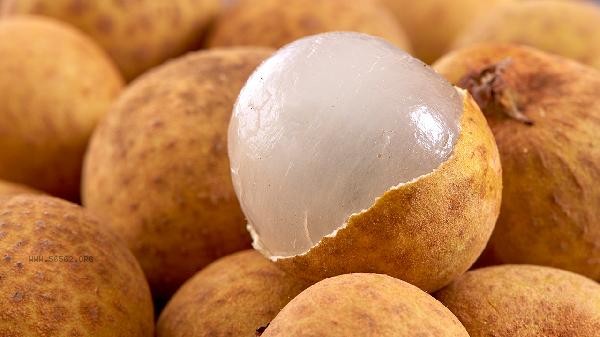
Thick skinned fruits such as bananas and citrus can be directly peeled off, which can remove most of the pesticide residues on the skin. It is recommended to rinse mangoes and other fruits that need to be peeled before peeling to avoid contamination of the flesh by cutting tools. After peeling, it is still recommended to rinse briefly to prevent cross contamination during the processing.
4. Special cleaning agent
Commercial fruit and vegetable cleaning agents contain surfactants, which have good removal effects on oily pesticides. When using, the dilution ratio should be strictly followed according to the instructions, and after cleaning, it must be rinsed with a large amount of water. Sensitive individuals are advised to choose fragrance free products to avoid allergic reactions caused by chemical residues.
5. High temperature hot stamping
Peaches and other heat-resistant fruits can be washed with 90 degree hot water for a short period of time, as high temperatures can accelerate pesticide decomposition. The hot washing time should be controlled within thirty seconds, and immediately supercooled water should be used to maintain the taste. This method will lose some vitamin C and is suitable for processing fruits that are about to be consumed.
It is recommended to use a combination of multiple methods for daily fruit cleaning, such as soaking before rinsing or peeling before hot washing. These methods are also applicable to leafy vegetables, and special attention should be paid to cleaning the wrinkled areas. When choosing, priority should be given to seasonal fruits and organic certified products to reduce pesticide exposure from the source. Long term ingestion of pesticide residues may affect liver function and nervous system, and proper cleaning can reduce the risk of residue by more than 90%. Ensure that fruits are completely dried before storage, as a humid environment can promote the penetration of residual pesticides into the flesh.








Comments (0)
Leave a Comment
No comments yet
Be the first to share your thoughts!