
Pesticide residues in fruits can be effectively removed through methods such as rinsing with running water, soaking in baking soda, peeling, soaking in salt water, and using fruit and vegetable cleaning agents. The pesticide residues on the surface of fruits may pose potential hazards to human health, and scientific cleaning methods need to be mastered.
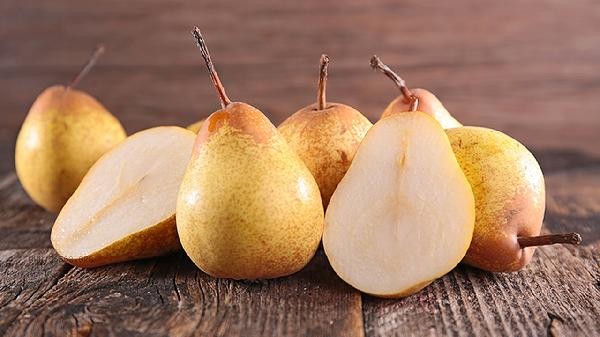
1. Running water rinsing
Continuously rinsing the surface of fruits with flowing water is the most basic cleaning method. Water flow can carry away most of the water-soluble pesticide residues, especially suitable for fruits with smooth skin such as apples and pears. When rinsing, the water flow should be kept moderate to avoid excessive water pressure damaging the fruit peel. It is recommended to rinse for no less than 30 seconds and gently rub the surface depressions with your hands. For small fruit particles such as grapes and strawberries, they can be shaken and rinsed in a strainer.
2. Baking soda soaking
Eating baking soda solution can decompose some organic phosphorus pesticides. Soaking fruits in a 1% baking soda solution for 10-15 minutes can significantly reduce pesticide residues. This method is particularly effective for hairy fruits such as peaches and peaches, but they still need to be rinsed clean with water after soaking. The concentration of baking soda solution should not be too high to avoid affecting the taste of fruits.
3. Peeling treatment
Directly removing the fruit skin can eliminate most of the surface pesticide residues. Suitable for easily peeled fruits such as bananas, oranges, mangoes, etc. For fruits such as apples and pears, although peeling is effective, it may result in the loss of some dietary fiber and nutrients. Attention should be paid to tool cleaning to avoid secondary pollution. Fruits that have been peeled should be consumed as soon as possible to prevent oxidation and spoilage.

4. Salt water immersion
Dilute salt water can help decompose some pesticides and kill surface microorganisms. Soaking fruits in 3% saline solution for 5-10 minutes has a certain effect on removing fat soluble pesticides. Especially suitable for small fruits such as waxberries and mulberries that are prone to accumulating dirt and grime. After soaking, rinse thoroughly with clean water to avoid salt residue affecting the taste. Hypertensive patients should pay attention to controlling their salt intake.
5. Fruit and vegetable cleaner
Special fruit and vegetable cleaner can effectively decompose various pesticide residues. Dilute according to the instructions and soak the fruit for 2-3 minutes before rinsing thoroughly. Choose natural and residue free cleaning agents to avoid secondary pollution from chemicals. This method has a significant effect on structurally complex fruits such as broccoli and grapes. Sensitive individuals can undergo small-scale testing before use.

Before consuming fruits in daily life, it is important to develop a cleaning habit. Different types of fruits can be combined and cleaned using multiple methods. Organic fruits also need to be cleaned to remove dust and microorganisms. When purchasing, choose fruits from legitimate channels and pay attention to checking pesticide testing reports. Keep the environment clean and dry when storing fruits to avoid cross contamination. Special groups such as pregnant women and infants who consume fruits can extend the cleaning time appropriately, and if necessary, choose peeled fruits. Regularly changing the cleaning method can more comprehensively remove different types of pesticide residues.








Comments (0)
Leave a Comment
No comments yet
Be the first to share your thoughts!