
When cleaning cow intestines, first rub them with flour and vinegar to remove the fishy smell, and then rinse them repeatedly with running water to effectively remove odors and impurities. The key to cleaning cow intestines lies in the step-by-step treatment of surface mucus, fat, and residues, combined with appropriate deodorizing materials to enhance the cleaning effect.
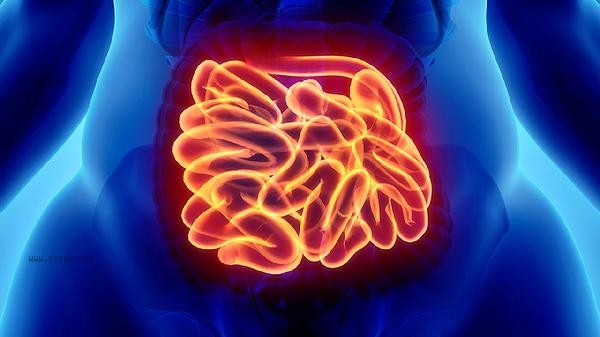
The surface of cow intestines often adheres to mucus and fat, and it is necessary to first flip the intestinal wall with a knife or chopsticks to preliminarily remove the internal residue. Flour has strong adsorption power, and when mixed and kneaded with cow intestines, it can take away most of the oil and impurities. The acidic components of vinegar can decompose fishy substances. After scrubbing, rinse repeatedly with plenty of water until the water becomes clear to avoid residual flour or vinegar odor. If there is still an odor, you can use a small amount of salt or lemon juice to scrub it twice to further neutralize the fishy smell.
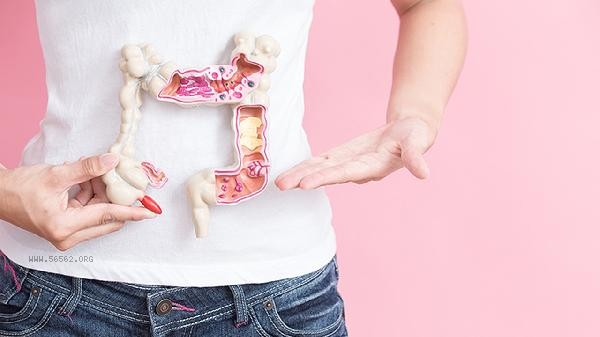
Some cow intestines may breed bacteria and produce a putrid odor due to improper storage. It is necessary to extend the soaking time or use baking soda solution for sterilization. In such cases, it is recommended to blanch the cow intestines, add ginger slices and cooking wine to the boiling water, and boil for 3-5 minutes. This can both sterilize and evaporate odor substances at high temperatures. After blanching, it is necessary to immediately supercool the water to maintain the elasticity of the casing and avoid cracking during subsequent cooking.
It is recommended to cook the cleaned beef intestines as soon as possible and store them in refrigeration for no more than 24 hours. Gloves can be worn during handling to avoid hand odor, and cutting tools for cutting boards need to be washed and disinfected with boiling water. Stewing with spices such as scallions, ginger, and star anise can completely remove residual odors while preserving the toughness and nutrition of beef intestines. If long-term storage is required, washed cow intestines can be frozen in sections for better taste after thawing.








Comments (0)
Leave a Comment
No comments yet
Be the first to share your thoughts!