
To verify whether mushrooms are toxic, it is necessary to combine morphological characteristics, growth environment, and professional identification methods, rather than relying solely on folk experience. The common identification methods mainly include observing the color and shape of the cap, checking the arrangement of gills, testing color change reactions, comparing professional reference materials, and seeking expert identification.
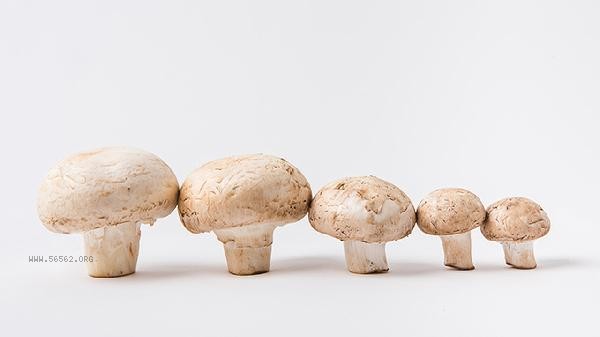
1. Observation of cap characteristics
The cap of poisonous mushrooms often presents bright colors such as red, orange, or fluorescent, and may have scales or spots on the surface. Some mushroom caps have wavy or cracked edges, with a prominent central protrusion. But some edible mushrooms also have similar characteristics, which need to be judged comprehensively based on other factors.
2. Check the gill structure
Cut the mushroom longitudinally to observe the gills. The gills of poisonous mushrooms are mostly white and tightly arranged, and some types of gills may secrete milky white juice after injury. Edible mushroom gills are usually yellow brown or pinkish brown in color, arranged relatively loosely. This method needs to be used in conjunction with professional reference materials for comparison.
3. Test discoloration reaction
Cut open the mushroom stem or cap with a knife and observe the discoloration of the cut surface. Some highly toxic mushrooms, such as Amanita, may turn red or blue when exposed to air, but this method has exceptions and cannot be used as the sole criterion for judgment. Wear gloves during testing to avoid direct contact.
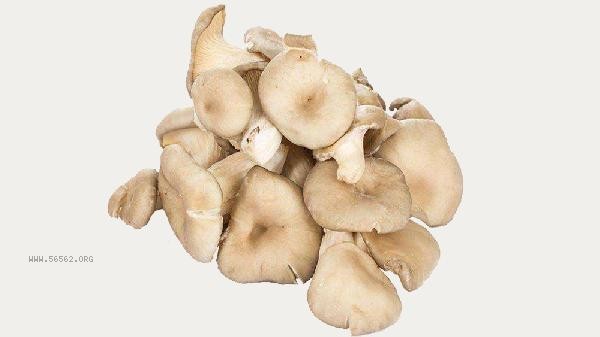
4. Compare professional guidebooks
Prepare local mushroom maps for detailed comparison, focusing on micro features such as mushroom rings, fungal trays, spore print colors, etc. Spore printing requires placing the cap on white paper and allowing it to stand for several hours, with spore color as an aid for identification. This method requires a high level of professional competence from the operator. The most reliable way to seek expert identification is to contact mycology experts or food and drug regulatory departments for professional testing. The methods of silver needle poisoning and garlic discoloration that have been passed down among the people lack scientific basis. For questionable mushrooms, regardless of the method of verification, the principle of not collecting, not consuming, and not buying or selling should be followed.
Daily prevention of mushroom poisoning requires remembering not to pick unfamiliar varieties, not to consume wild mushrooms, and not to trust folk identification methods. Keep the sample for testing before cooking. If symptoms of poisoning such as dizziness and vomiting occur, immediately seek medical attention with the remaining mushrooms. It is recommended to purchase artificially cultivated edible mushrooms through formal channels and take good care of children during outdoor activities to avoid accidental consumption.








Comments (0)
Leave a Comment
No comments yet
Be the first to share your thoughts!