
When using a dental floss stick to clean the large teeth at the back, tilt the head of the stick at a 45 degree angle, gently slide it into the gap between the teeth, and rub it up and down against one side of the tooth surface. Then switch to the other side and repeat the operation.
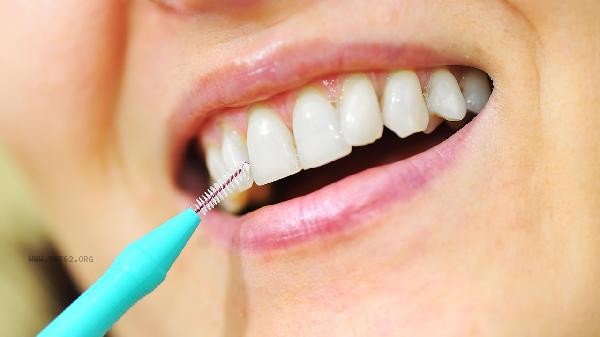
When using a dental floss stick to clean the posterior tooth area, attention should be paid to technique and angle. The posterior teeth are located deep and the field of view is limited. It is recommended to operate in front of a mirror. Aim the head of the dental floss stick at a 45 degree angle between the teeth and slowly slide it into the gingival sulcus to avoid damaging the gums with excessive force. When encountering resistance, gently shake the dental floss stick left and right, and do not forcefully press down. When cleaning, the teeth should be moved up and down tightly against both sides, scraping each side 5-6 times, with a focus on removing plaque on adjacent surfaces. For situations with tight gaps between teeth, thinner dental floss sticks or wax products can be used. If gum bleeding is significant, it may indicate the presence of gingivitis, and efforts should be reduced but cleaning frequency should be maintained. In special circumstances such as the presence of porcelain crowns, dental implants, or orthodontic brackets, specialized dental floss rods should be selected. The adjacent surface of the porcelain crown needs to be operated more gently to avoid wear on the edges of the restoration. It is recommended to use a single bristle flosser around dental implants, with a focus on cleaning the interface between the implant and the gums. When wearing fixed orthodontic appliances, dental floss sticks with hard leads can be selected for easy passage under the archwire. For those with large gaps between teeth, interdental brushes can be used in conjunction, but dental floss sticks are still the basic tool for removing adjacent plaque.
It is recommended to use dental floss sticks to clean posterior teeth at least once a day, and to use fluoride toothpaste for better brushing effect. When choosing a dental floss stick, attention should be paid to its flexibility and width. First time users can start trying thinner PTFE materials. If there is long-term gum bleeding, tooth sensitivity, or food impaction, timely medical examination should be sought to check for oral problems such as dental caries and periodontal disease. Developing the habit of rinsing mouth and regularly cleaning teeth after meals can effectively prevent the occurrence of posterior caries and gingivitis.








Comments (0)
Leave a Comment
No comments yet
Be the first to share your thoughts!