
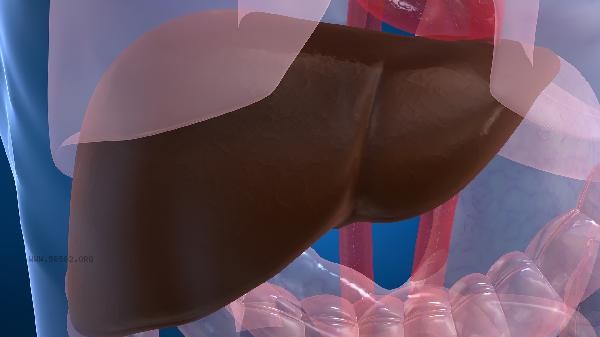
Fatty liver caused by weight loss can be treated through adjusting dietary structure, moderate exercise, medication treatment, regular monitoring, psychological counseling, and other methods. Fatty liver may be related to factors such as rapid weight loss, nutritional imbalance, metabolic disorders, etc., usually manifested as symptoms such as liver discomfort and fatigue.
1. Adjusting dietary structure
During weight loss, excessive dieting or an unreasonable dietary structure may lead to fatty liver. It is necessary to ensure high-quality protein intake such as eggs and fish, increase dietary fiber rich vegetables and fruits such as broccoli and apples, and reduce refined carbohydrates and saturated fatty acids. Avoid long-term extremely low calorie diets, with daily calorie intake not less than basal metabolic needs. You can consult a nutritionist to develop personalized recipes.
2. Moderate exercise
It is recommended to use a combination of aerobic exercise and resistance training, and engage in 150 minutes of moderate intensity exercise such as brisk walking and swimming per week to avoid short-term intense exercise that can increase the burden on the liver. The intensity of exercise should be gradually increased, and the rate of weight loss should be controlled at 2-4 kilograms per month. Liver discomfort should be monitored before and after exercise.
3. Medication therapy
If liver dysfunction is present, liver protective drugs such as silibinin capsules, bicyclic acid tablets, polyene phosphatidylcholine capsules, etc. can be used according to medical advice. The medication is suitable for patients with sustained elevation of transaminase or advanced fatty liver, and regular liver function check ups are required. It cannot be purchased or taken by oneself.

4. Regular monitoring
Perform liver ultrasound and liver function tests every 3-6 months to monitor weight changes and body fat percentage. Pay close attention to indicators such as alanine aminotransferase, aspartate aminotransferase, and gamma glutamyl transpeptidase. If you experience persistent pain or jaundice in the upper right abdomen, seek medical attention promptly.
5. Psychological counseling
Excessive focus on weight may lead to anxious dieting, and it is recommended to relieve psychological stress through mindfulness diet training. You can participate in professional weight loss groups to receive support and avoid giving up treatment due to frustration caused by weight rebound. If necessary, seek intervention from a psychologist.
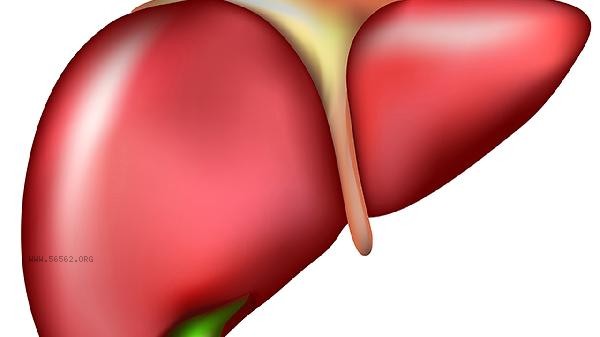
During the weight loss period, one should maintain a regular daily routine, drink 1500-2000 milliliters of water per day, and use steaming as the main cooking method. Patients with diabetes or hyperlipidemia need to control the primary disease synchronously, and avoid drinking and abusing health products. If ultrasound shows moderate to severe fatty liver or persistent liver function abnormalities, it is recommended to seek specialized diagnosis and treatment in gastroenterology or liver disease.








Comments (0)
Leave a Comment
No comments yet
Be the first to share your thoughts!