
Crabs can be tied up with ropes to prevent them from moving and injuring people, usually using the cross tie method or the eight character tie method. When binding crabs, pay attention to fixing the crab claws and legs to avoid getting caught. When crabs are large in size or have strong vitality, it is recommended to use thicker cotton or hemp ropes for binding. First, fold the rope into a loop, wrap it around the base of the crab claws, and then cross wrap it to ensure that the claws cannot open. Then gather the crab's legs to the abdomen, wrap the remaining rope segments around the crab's body several times, and tie them in knots to secure it. During the binding process, the action should be quick and decisive to avoid the crab struggling and causing the rope to loosen. If the crab is small in size or temporarily stored for a short period of time, a simple binding method can be used. After tying the crab claws horizontally with a single rope, wrap them vertically around the crab body and tie a knot. Although this method is not as sturdy as the cross binding method, it is suitable for short-term processing before cooking. Please note that the binding should not be too tight to avoid damaging the crab shell and affecting the meat quality. The bound crabs should be placed in a cool place, avoiding direct sunlight or high temperature environments.
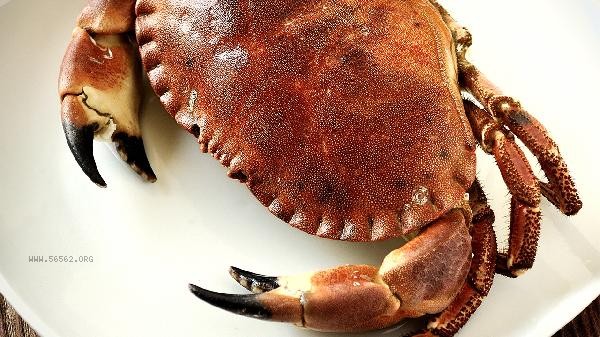
It is recommended to wear thick gloves when handling live crabs to prevent pinch injuries, and to cook them as soon as possible after bundling to ensure freshness. After crab death, the rapid breakdown of histamine in the body may trigger allergic reactions. If short-term storage is required, the bound crabs can be covered with a wet towel and placed in the refrigerator's refrigeration layer, with a temperature controlled at 4-8 degrees Celsius. Before cooking, check if the rope is secure. Keeping the rope during steaming can prevent the crab feet from falling off.









Comments (0)
Leave a Comment
No comments yet
Be the first to share your thoughts!