
Swimming for weight loss and slimming requires a combination of scientific exercise and dietary management, mainly achieved through controlling exercise intensity, duration, and frequency. The key methods include continuous aerobic swimming, intermittent high-intensity training, standardized movement techniques, reasonable hydration, and dietary control.
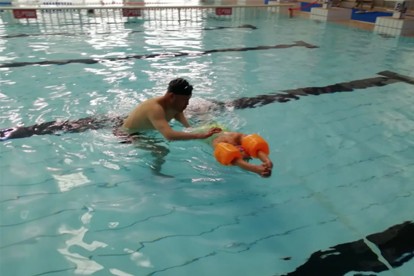
1. Continuous aerobic swimming
Using low to moderate intensity swimming such as breaststroke or freestyle for more than 30 minutes, with heart rate maintained within the range of 60% -70% of maximum heart rate. This mode can effectively mobilize fat for energy supply, and performing 4-5 times a week can promote an increase in basal metabolic rate. Be careful to avoid excessive reliance on floating equipment and maintain a horizontal position to reduce resistance consumption.
2. Intermittent high-intensity training
alternates between a 50 meter sprint swim and a 100 meter relaxation swim, with each group repeating 6-8 times. This HIIT mode can continuously burn calories after exercise and has a significant effect on fat breakdown in the abdomen and buttocks. Warm up and stretch thoroughly before and after training to prevent muscle strains.
3. Standardize movement techniques
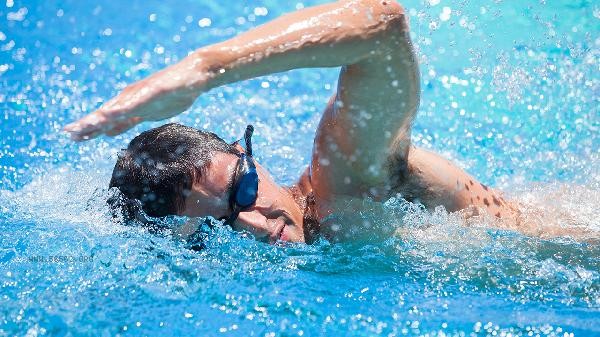
By using professional coaches to correct swimming posture and breathing rhythm, energy waste caused by ineffective movements can be reduced. For example, when swimming freestyle, one should maintain a body rotation range of around 30 degrees, and for breaststroke, leg kicks should be accompanied by water clamping movements. The correct technique can increase the calorie consumption by 20% for the same duration of exercise.
4. After exercise hydration
Choose electrolyte drinks to supplement in portions of 100-150 milliliters each time, avoiding excessive drinking at once and increasing gastrointestinal burden. Supplementing protein within 2 hours after exercise can help with muscle repair. It is recommended to drink whey protein powder or consume high-quality protein foods such as eggs.
5. Dietary calorie control
Daily calorie intake should be 300-500 calories less than consumption, and the proportion of coarse grains and green leafy vegetables should be increased. One hour after exercise, you can supplement fast carbohydrates such as bananas to maintain blood sugar stability and avoid high-fat foods offsetting the exercise effect. Long term maintenance of a low-carbon, high protein diet structure yields better results.
It is recommended to swim 3-5 times a week for 45-60 minutes each time, combined with strength training twice a week to enhance muscle mass. Pay attention to monitoring the changes in fasting body weight in the morning, and the recommended rate of decrease in body fat percentage is 0.5% -1% per week. Warm up your joints before and after swimming, and shorten the duration of each exercise session appropriately when the water temperature is too low. If there is discomfort such as knee joint pain, adjust swimming posture or seek medical examination in a timely manner.








Comments (0)
Leave a Comment
No comments yet
Be the first to share your thoughts!