
After soaking seaweed, it is recommended to drain the water and store it in a sealed refrigerator. The storage time should not exceed 2 days. The storage method of seaweed soaked in water is mainly affected by factors such as temperature, sealing, contact materials, storage containers, and secondary processing.
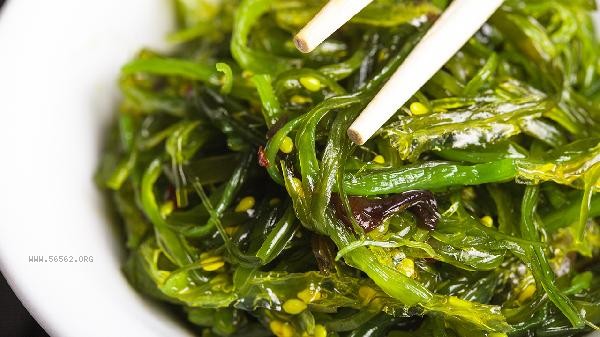
1. Drain and seal
After soaking, the seaweed should be thoroughly drained of surface moisture, and any remaining water droplets should be absorbed with kitchen paper before being placed in a fresh-keeping bag or sealed box. Residual moisture can accelerate microbial growth, causing kelp to deteriorate and become sticky. It is recommended to choose food grade materials for sealed containers and avoid using metal vessels to prevent the reaction of calcium alginate in kelp.
2. Refrigeration Environment
Processed kelp should be immediately placed in the refrigerator's refrigeration layer, with a temperature controlled between 0-4 degrees Celsius. Low temperature environment can inhibit bacterial activity, but it cannot be frozen for storage. Freezing can cause kelp cells to rupture, and the taste will become soft and rotten after thawing. When refrigerating, it is necessary to stay away from the inner wall of the refrigerator to prevent local frosting.
3. Isolate raw food
Containers for storing seaweed must be isolated from other fresh ingredients, especially meat, poultry, and other foods that may carry Salmonella. It is recommended to place it separately in the top shelf of the refrigerator to avoid cross contamination of juices. If a slippery or unpleasant odor is found on the surface of seaweed, it should be discarded immediately.

4. Packaging Processing
Kelp soaked in large quantities can be packaged and stored in single serving quantities to reduce temperature fluctuations caused by repeated use. It is recommended not to exceed 200 grams per serving, and using a vacuum sealed bag can extend the shelf life to 3 days. Before packaging, rinse with cold water to remove surface mucus, but do not add seasonings such as salt or vinegar.
5. Consume as soon as possible
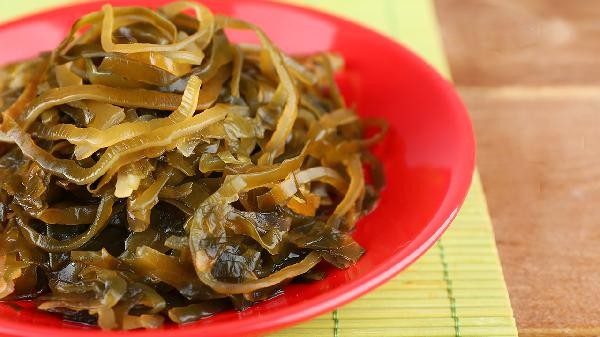
Soaked kelp is best consumed within 24 hours, and color changes can be observed during storage. Fresh kelp is dark brown green in color. If it gradually turns yellow or white spots appear, it indicates nutrient loss. Short term non consumption can be blanched and dried to make dried seaweed, but the taste and freshness will significantly decrease. As a high iodine and high dietary fiber ingredient, kelp is recommended to be consumed 2-3 times a week, with 50-100 grams per time. Refrigerated kelp should be blanched in boiling water for 30 seconds to kill bacteria before being consumed again. When cold mixed, it can be paired with antibacterial seasonings such as minced garlic and vinegar. Individuals with spleen and stomach deficiency and cold should control their intake, and patients with thyroid diseases should consult a physician before consuming. Pay attention to observing changes in texture during daily storage, and promptly handle any abnormalities to avoid food safety risks.








Comments (0)
Leave a Comment
No comments yet
Be the first to share your thoughts!