
Storing rice to prevent mold and insects requires maintaining a dry, sealed, and low-temperature environment. The main methods include using sealed containers, placing desiccants, low-temperature refrigeration, regular drying, and avoiding mixing with other foods.
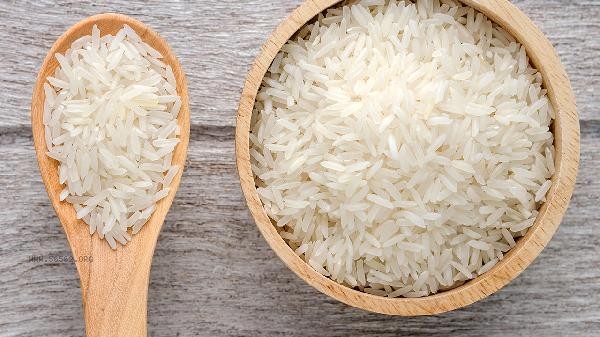
1. Sealed container
Place rice into a food grade sealed jar or vacuum bag to isolate air and moisture. Containers made of glass, stainless steel, or thick plastic materials can effectively block external moisture and reduce the adhesion of mold spores. Before sealing, ensure that the rice is completely dry. Food grade moisture-proof paper can be added to the inner layer of the container to further reduce the impact of humidity fluctuations.
2. Place desiccant
Place food grade desiccants such as quicklime bags, silica gel particles, or charcoal in storage containers to absorb environmental moisture. The desiccant should be wrapped in breathable gauze and placed above the rice pile to avoid direct contact with the rice. It is advisable to mix 10 grams of desiccant per kilogram of rice and replace it once a month. The replacement cycle should be shortened during humid seasons.
3. Low temperature refrigeration
Place the packaged rice in the refrigeration layer of the refrigerator and control the temperature at 4-8 degrees Celsius. Low temperature can inhibit egg hatching and mold reproduction, especially suitable for high temperature and high humidity areas. Before refrigeration, the rice should be divided into small portions to avoid repeated use that may cause temperature differences and condensation. After removal, it should be allowed to stand at room temperature before opening.
4. Regular drying
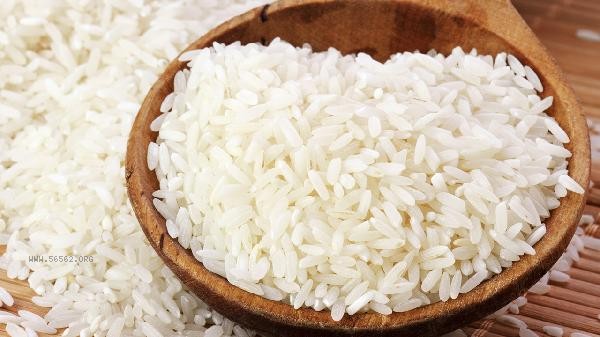
In dry and sunny weather, spread the rice flat on a bamboo mat and air dry for 2-3 hours. Ultraviolet radiation can kill surface insect eggs. The humidity of the drying environment should be below 60% to avoid cracking of rice grains caused by exposure to sunlight at noon. After drying, it needs to be thoroughly cooled before sealing, and it is more effective when combined with natural insect repellent spices such as Sichuan pepper and cinnamon.
5. Avoid mixing
Rice should not be mixed with insect prone ingredients such as flour and miscellaneous grains to prevent cross contamination. The storage area should be kept away from kitchen fumes and cleaning agents. It is recommended to choose a cool and ventilated dedicated storage space. Newly purchased rice should be stored separately and observed for one week to confirm that there are no pests before being added to the stock.
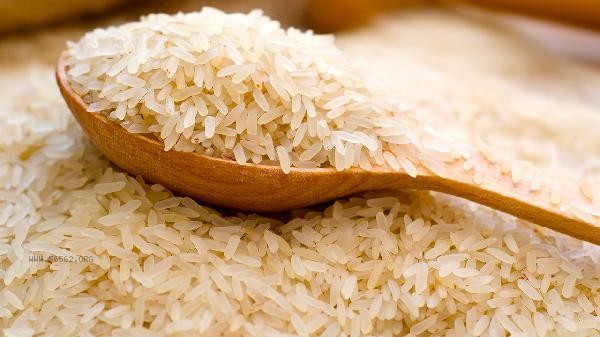
When using rice in daily life, pay attention to keeping the container dry, and use a special measuring spoon to prevent water vapor from entering your hands. If rice grains are found to clump or have a moldy smell, they should be immediately discarded. The aflatoxin produced by moldy rice cannot be decomposed even when cooked at high temperatures. It is recommended that families purchase according to their needs, consume within three months, and choose vacuum packaged brown rice or germ rice for long-term storage. Its husk layer has natural insect resistant properties. By implementing comprehensive measures such as regular cleaning of storage cabinets and maintaining a dry environment, the shelf life of rice can be maximized.








Comments (0)
Leave a Comment
No comments yet
Be the first to share your thoughts!