
Storing rice for ten years without spoilage requires strict control of humidity, temperature, pest infestations, and sealing conditions. Vacuum packaging, low-temperature drying environment, regular inspections, and other methods can be used to maximize the shelf life. Vacuum packaging is a key measure for long-term storage of rice. After using a food grade vacuum bag to evacuate the air and seal it, it can effectively isolate oxygen and moisture, and inhibit the growth of mold and insect eggs. Rice in a vacuum state can be stored in a cool environment for several years without spoiling, but attention should be paid to the integrity of the packaging to avoid air leakage and failure. Choose aluminum foil composite vacuum bags with moderate thickness, which have better moisture resistance than ordinary plastic bags. Low temperature dry environment can significantly delay the aging rate of rice. The sealed rice should be placed in a constant temperature environment below 15 degrees Celsius, with a relative humidity of below 60% being the most ideal. Cellars, moisture-proof basements, or professional cold storage are suitable choices. Ordinary households can store small packages of rice in the refrigerator compartment. It should be noted that temperature fluctuations can cause condensation inside the packaging, which can accelerate mold growth. Therefore, frequent use should be avoided. Regular inspections can promptly detect storage abnormalities. Even if the best storage method is used, the condition of the rice should be checked every six months to observe for insect infestation, mold spots, or odors. If local problems are found, the deteriorated parts can be immediately removed and the packaging replaced. Pay attention to gentle movements during inspection to avoid packaging damage, and restore the sealed state as soon as possible after inspection. Adequate drying before storage can improve the storage tolerance of rice. When the moisture content of new rice is high, it should be directly spread out and dried in the sun, and then sealed when the moisture content drops below 13%. During the drying process, pollution should be avoided by choosing a clean cement floor or bamboo mat, and flipping it over to ensure even drying. Dried rice starch has a more stable structure and is less prone to spoilage during storage.
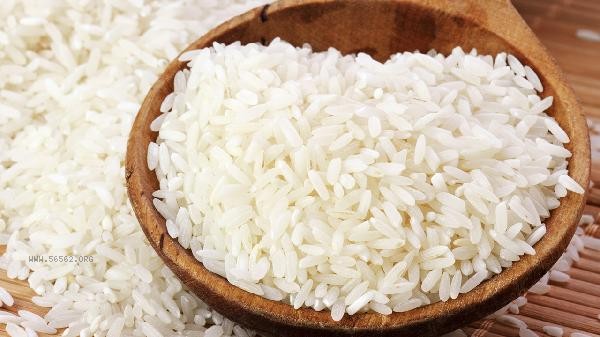
Adding natural insect repellents can assist in preventing pest infestations. Putting natural materials such as Sichuan peppercorns, garlic peels, or food grade diatomaceous earth in storage containers can repel pests such as rice weevils. These materials need to be wrapped in gauze and placed around the rice to avoid direct contact. Be careful not to use chemical insecticides to avoid contaminating the food. Insect proof materials should be replaced quarterly to maintain their effectiveness.
Long term stored rice is recommended to be processed in small packages in batches. Divide the rice into small portions that can be consumed for six months, use one pack before opening the next pack to reduce the overall exposure to air. Each package is labeled with the packaging date and used according to the first in, first out principle. If air leakage or moisture is found in the small packaging, it can be handled separately to avoid scrapping the entire batch of rice. Before consumption, it is necessary to check for signs of spoilage such as halal flavor, and increase the amount of water appropriately when cooking to compensate for possible water loss.








Comments (0)
Leave a Comment
No comments yet
Be the first to share your thoughts!