
Improper storage of rapeseed can easily lead to decay and deterioration. The storage time can be extended through methods such as refrigeration, freezing, pickling, air drying, and vacuum sealing.
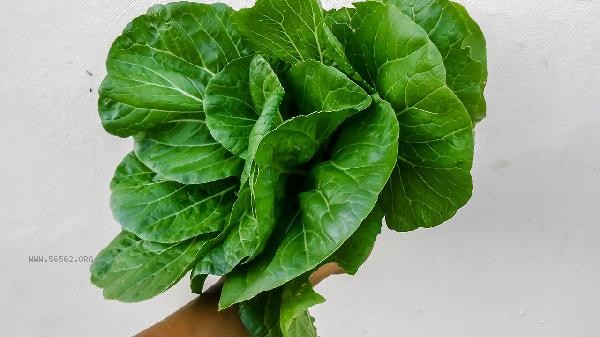
1. Refrigerate
Fresh rapeseed. After removing yellow leaves and roots, wrap the stem with kitchen paper to absorb moisture, and place it in a fresh-keeping bag with the bag tightly sealed. The refrigeration temperature is controlled at 0-4 degrees Celsius and can be stored for 3-5 days. Be careful not to store it together with fruits such as apples and bananas that release a large amount of ethylene to prevent accelerated spoilage.
2. Freeze
Blanch the rapeseed in water for 30 seconds, then drain it with supercooled water and divide it into sealed bags according to the single use amount to exhaust the air. Frozen storage can last for 1-2 months, and after thawing, it is suitable for making fillings or stews. Freezing can cause cell wall rupture and soften the taste, and should not be cold mixed or stir fried again.
3. Pickled
rapeseed is washed, dried, and cut into sections. It is then layered with salt at a ratio of 10:1 and placed in a disinfection container. Heavy weights are used to promote water flow. Fermentation at room temperature for 3 days and then refrigerated can be stored for 1 month. Lactic acid bacteria fermentation will produce special flavor, which is suitable for matching with Congee or as an appetizer.
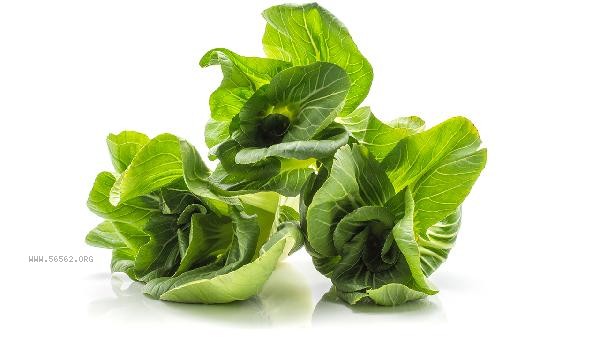
4. Drying
Choose continuous sunny days and hang the rapeseed in a ventilated place to dry for 3-5 days. After complete dehydration, seal and prevent moisture. Dried rapeseed should have a moisture content of less than 10% and can be stored in a cool place for more than 6 months. Soak hair in cold water before consumption, often used for making soup or steaming, which can retain more mineral components.
5. Vacuum sealing
Use a vacuum machine to remove air from the packaging, isolate oxygen, and delay oxidation. Processed rapeseed can be refrigerated for 7-10 days and is suitable for commercial bulk storage. Families can use straws to suction sealed bag air as a substitute, but the effect is slightly inferior to professional equipment.
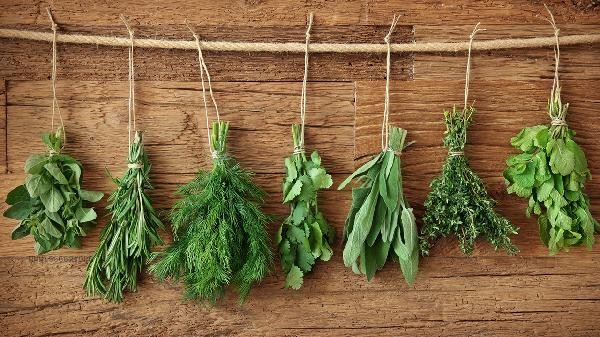
After storage, rapeseed should be checked for mold or odor, and any sticky or liquefied phenomenon should be discarded immediately. Different cooking methods have different storage requirements. For cold dishes, the freshest rapeseed is needed, while for stewing, frozen or dried products can be chosen. Regularly cleaning the accumulated water in the refrigerator and keeping the storage environment dry can effectively prevent cross contamination. Special groups such as pregnant women and young children should prioritize consuming fresh vegetables, and long-term stored ingredients should be fully heated and processed.








Comments (0)
Leave a Comment
No comments yet
Be the first to share your thoughts!