
Litchi that cannot be eaten can be stored in refrigeration or freezing. For short-term storage, refrigeration can be chosen, and for long-term storage, freezing is recommended. The key to preserving lychee lies in controlling humidity, avoiding oxidation, and inhibiting microbial growth.
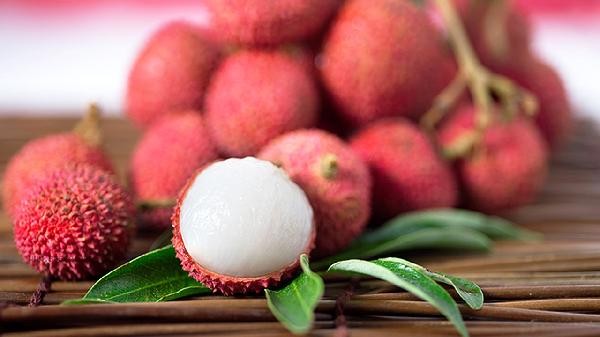
When storing lychee in refrigeration, keep the skin moist, put it in a fresh-keeping bag, and place it in the vegetable and fruit layer of the refrigerator, with a temperature controlled at 4-8 degrees Celsius. The taste of refrigerated lychee is close to fresh, but it should be consumed within 3-5 days. Be careful not to refrigerate after cleaning, as residual moisture can accelerate decay. If the fruit shell turns black and the flesh changes taste, it should be discarded immediately.
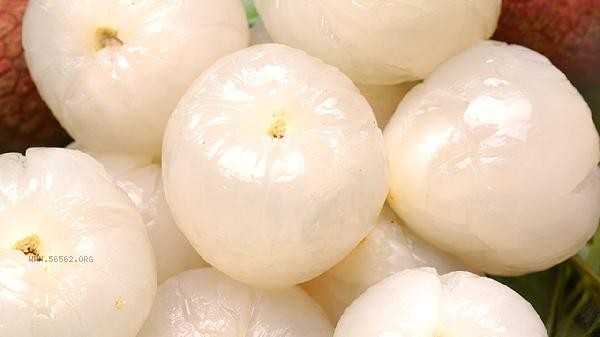
Litchi frozen storage requires removing branches and leaves, soaking in salt water for 5 minutes to sterilize and drain, and then sealing. The freezing temperature should be below minus 18 degrees Celsius and can be stored for about a month. When thawing, it is recommended to slowly warm up in the refrigerator to retain more juice. Frozen lychee is suitable for making desserts or cold drinks, but the flesh will soften after thawing and should not be eaten fresh directly. It should be noted that repeated freeze-thaw cycles can damage cell structure and lead to nutrient loss.
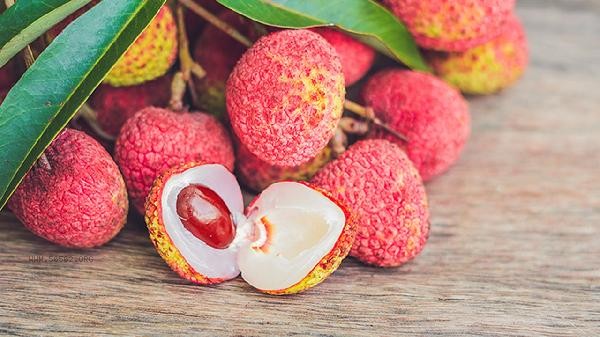
When storing lychee, avoid direct sunlight and high temperature environment. Immature lychee should not be refrigerated. Check daily for moldy fruits and separate them in a timely manner. Do not mix lychees from different batches. Rinse the surface with running water before consumption. For those with spleen and stomach deficiency and cold, it is recommended to consume a small amount of refrigerated lychee, which can be accompanied by ginger tea to relieve coldness. If discomfort symptoms such as diarrhea occur after storage, it should be stopped immediately.








Comments (0)
Leave a Comment
No comments yet
Be the first to share your thoughts!