
Live crabs can be temporarily stored by refrigeration or moist refrigeration if not eaten. There are mainly refrigerator refrigeration method, moist environment method, shallow water temporary care method, low-temperature dormancy method, and isolation and anti bucket method.

1. Refrigerator refrigeration method
Tie the crabs together and place them in a breathable container, cover them with a wet towel, and place them in the refrigerator refrigeration layer. Controlling the temperature at 5-10 degrees Celsius can reduce metabolism and store for 1-2 days. Be careful to avoid freezing or direct contact with ice cubes to prevent frostbite and death. During the refrigeration period, check the activity daily and promptly eliminate individuals with insufficient vitality.
2. Wet Environment Method
Wrap the crab body with a damp cotton cloth and place it in a perforated plastic box to maintain humidity. This method is suitable for short-term storage for 6-8 hours, avoiding direct sunlight and enclosed environments. Regularly spray water to keep the cotton cloth moist, but do not soak it directly in water. Suitable for brief storage during transportation or before cooking.
3. Shallow water temporary breeding method
Prepare 5-10 centimeters of water and lay the crabs flat in a cool place. The water depth should not exceed the height of the crab body to avoid hypoxia and suffocation. Change the water every 3 hours and maintain the water temperature at 15-20 degrees Celsius. This method can be stored for about 12 hours and is suitable for sea crab species.
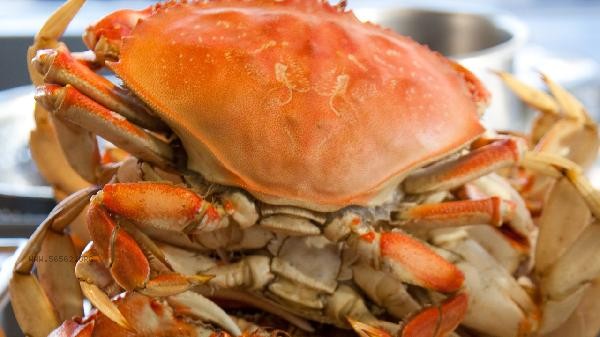
4. Low temperature dormancy method [SEP]: Crabs are placed in an environment of 10-12 degrees Celsius to induce dormancy. You can use a foam box with an ice bag compartment to cool down and keep the environment dark and quiet. The sleep state can last for 24-36 hours, and cooking should be done immediately after waking up. Please note that the temperature should not be lower than 5 degrees Celsius, otherwise irreversible damage may occur.
5. Isolation and Fighting Method
Store each crab separately to avoid damage from pincer foot fighting. Can be isolated using bamboo baskets or dividing containers to reduce physical exertion. Regularly spray diluted salt water to keep the shell moist. This method, combined with refrigeration, can prolong survival time, especially suitable for aggressive species such as hairy crabs.
During the storage period, the crab vitality should be checked daily, and the reaction should be observed by lightly touching the eye stalk. If the vitality is insufficient, it should be cooked immediately. Dead crabs produce histamine toxins, which are not edible. If long-term storage is required, it is recommended to cook and freeze. Before cooking, clean the gaps between the crab shells with a toothbrush. When steaming, keep the belly facing upwards to prevent the loss of crab roe. Paired with ginger vinegar, it can neutralize coldness. People with weak gastrointestinal function should consume it in moderation. Temporary storage containers need to be disinfected regularly to prevent bacterial growth from affecting quality.









Comments (0)
Leave a Comment
No comments yet
Be the first to share your thoughts!