
Uneaten blueberries can be refrigerated or frozen, with specific methods including drying and sealing, packaging and freezing, making jam, processing into dried blueberries, and low-temperature vacuum storage.

1. Dry and seal.
Fresh blueberries are prone to residual moisture on the surface. Use kitchen paper to gently dry them and place them in a breathable food box with a layer of absorbent paper inside. After sealing, place them in the fruit and vegetable compartment of the refrigerator. The refrigeration temperature is controlled at 0-4 degrees Celsius and can be stored for 5-7 days. Be careful to avoid squeezing and regularly check and remove softened and spoiled fruits.
2. Packaging and Freezing
Spread blueberries flat on a tray and freeze for 2 hours before packaging them into sealed bags and vacuum freezing. Freezing storage can last for 3-6 months, and the flesh will soften after thawing, making it suitable for making milkshakes or baking. No need to clean before freezing, rinse with running water before consumption to remove surface ice crystals.
3. Boil jam
Blueberries with rock sugar over low heat until thick, then bottle and seal while hot to achieve long-term storage. Mix 150 grams of sugar with 500 grams of blueberries and add lemon juice to help solidify. Unopened jam should be stored at room temperature for 3 months. After opening, it should be refrigerated and consumed within two weeks.
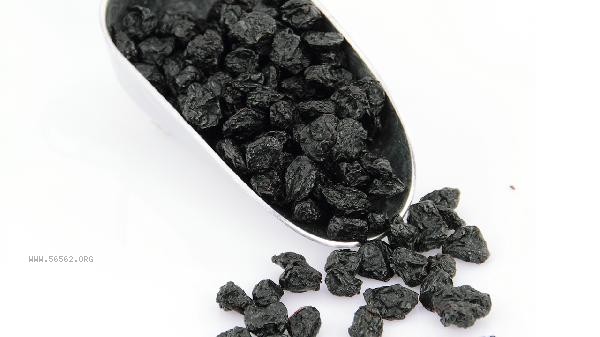
4. Making dried blueberries
Soak blueberries in salt water, drain, and bake at 60 degrees Celsius for 8-10 hours until the skin shrinks and turns dark purple. Dehydrated dried blueberries can be sealed and stored in the dark for up to six months, and can be consumed as snacks or added to oatmeal. Pay attention to flipping during the drying process to ensure even heating.
5. Vacuum low-temperature storage
Use a food vacuum machine to remove the air inside the packaging, and store it in an environment below 4 degrees Celsius with a deoxidizer. This method can inhibit oxidation reactions, maintain blueberry flavor and anthocyanin content, suitable for commercial grade preservation, and requires specialized equipment support for home operation. Blueberries are rich in anthocyanins and vitamin C. During storage, it is necessary to avoid high temperatures and direct sunlight. Regardless of the method used, it is necessary to check for mold before consumption. It is recommended to purchase in batches according to actual consumption. Fresh blueberries can only be stored at room temperature for 1-2 days. Using preserved blueberries to make yogurt cups, pancakes, or salads can better preserve their nutritional value. People with special physical conditions should be aware that blueberries may cause mild gastrointestinal discomfort, and it is recommended to limit daily consumption to less than 100 grams.









Comments (0)
Leave a Comment
No comments yet
Be the first to share your thoughts!