
Fresh edamame can be stored for a long time using methods such as freezing, sun drying, vacuum sealing, salting, and refrigeration.
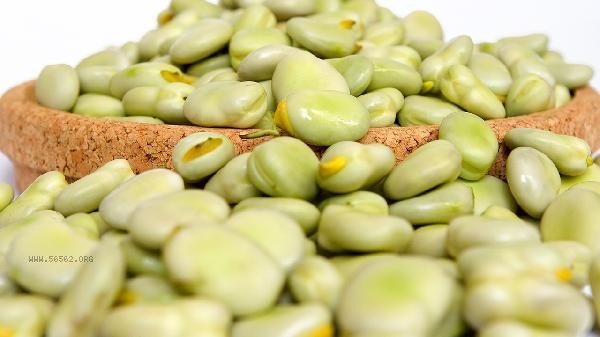
1. Freeze
Peel the edamame and blanch it in water for 2 minutes. Remove it from the water and drain it with supercooled water. Pack it in a sealed bag and let the air out before freezing. It can be stored for 6-8 months in a frozen state with minimal loss of nutrients, making it suitable for stir frying or cooking soup. Be careful to avoid repeated thawing and use as needed each time.
2. Sun drying
Fresh edamame should be blanched and spread out to dry completely, then placed in a breathable cloth bag and hung in a cool and ventilated place. Dried edamame can be stored for 3-5 months and needs to be soaked and restored before consumption. This method is suitable for dry climate areas, and attention should be paid to moisture and mold prevention.
3. Vacuum sealing
Place the processed edamame in a vacuum bag, evacuate the air and seal it. It can be stored for 1 month in refrigeration and up to 1 year in freezing. Vacuum state can effectively isolate oxygen and delay oxidation deterioration, but it requires professional equipment operation and is suitable for batch storage.
4. Salted
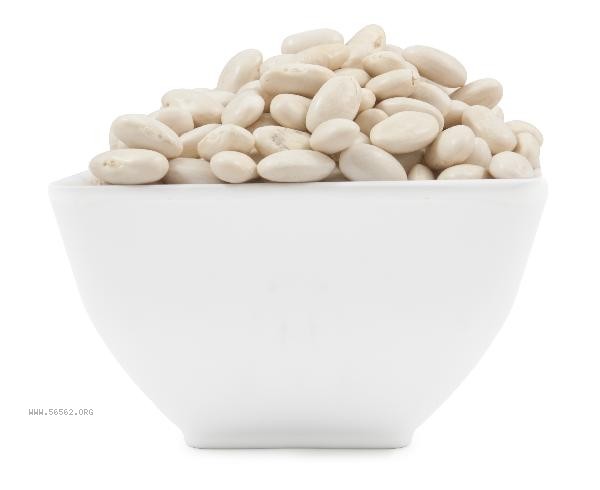
Soak the blanched edamame in coarse salt at a ratio of 10:1, and store it in a sterilized glass jar for refrigeration. Salted edamame can be stored for 2-3 months and should be thoroughly soaked and desalinated before consumption. This method will change the original flavor of edamame and is suitable for making flavored snacks.
5. Refrigeration
Shelled edamame can be stored for 1 week after being wrapped in a fresh-keeping bag and refrigerated. Shelled edamame need to be packed in a box and soaked in water for 3-5 days. The refrigerated storage time is relatively short and suitable for short-term consumption. It is recommended to prioritize the consumption of frozen edamame.
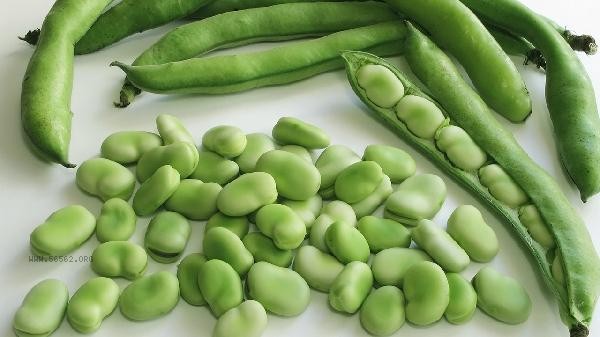
Long term storage of edamame requires thorough sterilization during pre-treatment, and all containers must be disinfected and dried. Freezing results in minimal nutrient loss, while sun drying and salting can alter the taste but are suitable for special needs. Different storage methods can be used in combination, such as vacuum packaging before freezing. Before consumption, check for any moldy or spoiled edamame. It is recommended to choose appropriate methods based on the actual frequency of consumption, regularly check the storage status, and promptly handle edamame that is approaching its shelf life.








Comments (0)
Leave a Comment
No comments yet
Be the first to share your thoughts!