
The key to storing dried seaweed without spoilage is moisture resistance, light avoidance, and sealing. Dried kelp is prone to moisture and mold. The correct storage methods mainly include dry storage, sealed packaging, low-temperature storage, avoiding direct sunlight, and regular inspection.
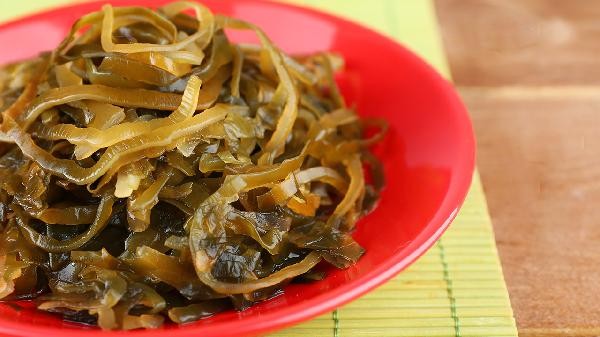
1. Dry Storage
Dry kelp must be completely dried before storage, as residual moisture can cause mold growth. If moisture is found on the surface of seaweed after purchase, it can be spread out and placed in a cool and ventilated place to dry, or dehumidified with food desiccants. The humidity of the storage environment should be controlled below 60%, and it can be used with a dehumidification box in humid areas in the south.
2. Sealed Packaging
Put thoroughly dried seaweed into food grade sealed bags or glass jars, squeeze out air, and seal. Vacuum packaging has the best effect and can isolate oxygen and moisture. If using ordinary plastic bags, it is recommended to add kitchen paper pads on the inner layer to absorb moisture, and use aluminum foil bags for secondary sealing on the outer layer. Re seal after each use.
3. Low temperature storage
Dry kelp is suitable for long-term storage in environments ranging from minus five degrees Celsius to five degrees Celsius. Short term storage can be placed in a cool cabinet, and it is recommended to refrigerate if it exceeds three months. Freezing storage can extend the shelf life to more than one year, but it is important to avoid repeated thawing and can be divided into small portions for freezing.

Fourth, avoid direct sunlight.
Ultraviolet radiation can accelerate the breakdown of nutrients in kelp, leading to the loss of flavor compounds. The storage location should be in a dark cabinet or drawer, and transparent containers should be covered with dark fabric. At the same time, stay away from heat sources such as stoves, and the ambient temperature should not exceed 25 degrees Celsius.
Fifth, Regular Inspection
Check the status of seaweed every month. If moisture is found inside the packaging, it should be immediately dried. Deteriorated kelp may develop mold spots, become sticky, or have a strange odor. If slightly damp, the spoiled part can be removed and consumed as soon as possible. The shelf life of dried kelp stored normally is about six to eight months, and the color should remain dark green or dark brown.
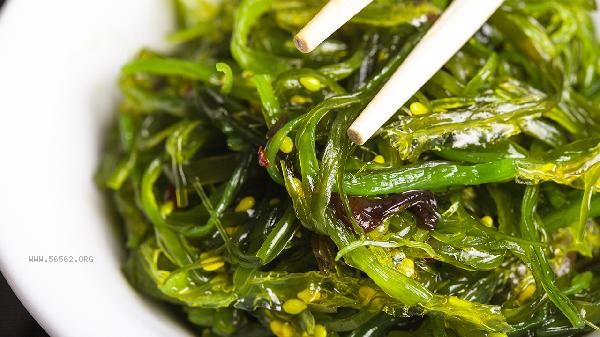
When using dried seaweed in daily life, use dry utensils to avoid contact with moisture on the hands. After soaking, kelp should not be dried and stored again. It is recommended to soak it in batches according to the amount consumed. When storing dried goods such as seaweed and shrimp skin together, they should be sealed separately to prevent cross contamination. Properly stored dried kelp can retain rich nutrients such as iodine and alginate, making it suitable for stewing soup or cold dishes. If white salt frost is found on the surface of kelp, it is a normal phenomenon and can be consumed after wiping.








Comments (0)
Leave a Comment
No comments yet
Be the first to share your thoughts!