
Blueberries can be stored by refrigeration, freezing, drying, making jam, or brewing when they are not finished.

1. Refrigeration
Place fresh blueberries in a breathable fresh-keeping box, with a layer of kitchen paper at the bottom to absorb moisture, and seal it before placing it in the refrigerator compartment. The refrigeration temperature is controlled at 0-4 degrees Celsius and can be stored for 5-7 days. Pay attention to thoroughly drying and refrigerating after cleaning to avoid moisture and accelerated mold growth. If individual rotten fruits are found, they should be immediately picked out to prevent contamination of other fruits.
2. Freeze
Wash and drain blueberries, then lay them flat on a tray and freeze for 2 hours. After the individual cells freeze, place them in a sealed bag and vacuum store them. Frozen blueberries can be stored for 8-12 months and are suitable for making milkshakes or baked goods. When thawing, it is recommended to use it directly without rinsing. The freezing process will damage the structure of the fruit skin, and the texture will become soft after thawing, making it unsuitable for fresh consumption.
3. Drying
Use a food dryer to dehydrate at 60 degrees Celsius for 8-10 hours, or bake in an oven at the lowest temperature for 6 hours to make dried blueberries. During the drying process, antioxidant components such as anthocyanins can be retained, and the finished product needs to be sealed and moisture-proof for storage. The sugar content of dehydrated blueberries is concentrated. It is recommended that the daily consumption should be controlled within 30g. diabetes patients should be cautious.

4. Making jam
Boil blueberries and white sugar in a ratio of 1:0.6, add lemon juice to adjust acidity, and then turn low heat to simmer until viscous. Pour it into a sterilized glass bottle while it is hot, seal it upside down, and store it at room temperature for 3 months. After opening, it needs to be refrigerated. Homemade jam does not contain preservatives, and the sugar content can be adjusted according to taste, but a sugar content below 50% may affect the shelf life.
5. Brewing
Crush blueberries and stack them with rock sugar in a fermentation tank, add fruit wine yeast and seal for fermentation. At the beginning, stir daily to promote fermentation, and after 2 weeks, filter the liquor for a second fermentation for 1 month. Blueberry wine needs to be stored away from light, and can be stored at room temperature for 2 years with an alcohol content of 12%. The fermentation process produces carbon dioxide, and the container needs to leave one-third of the space for explosion-proof bottles.
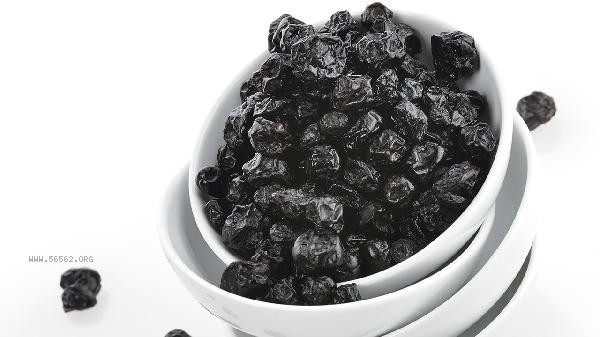
When storing blueberries, it is recommended to choose the appropriate method according to the consumption plan. For short-term consumption, it is recommended to refrigerate to maintain freshness, and for long-term storage, it is recommended to freeze or process. Regardless of the method used, damaged fruits should be removed before processing, and metal containers should be avoided from coming into contact with blueberry juice. It is advisable to consume 100-150 grams of fresh blueberries daily, and temporarily stop eating during diarrhea. Preserved blueberries may experience nutrient loss. It is recommended to pair them with nuts or yogurt to supplement protein and calcium.








Comments (0)
Leave a Comment
No comments yet
Be the first to share your thoughts!