
Blueberries can be stored for extended periods of time through refrigeration, freezing, drying, vacuum sealing, and the addition of preservatives.

1. Refrigerate storage
Place fresh blueberries in a breathable container, cover it with a layer of kitchen paper to absorb moisture, and place it in the lower compartment of the refrigerator. The refrigeration temperature is controlled at 0-4 degrees Celsius, and the humidity is maintained at around 90%. It can be stored for 5-7 days. Please note that there is no need to clean before refrigeration, and seal it promptly after each use to avoid frequent opening and closing that may cause temperature fluctuations. If white frost or mold spots are found on the surface, they should be discarded immediately.
2. Frozen storage
After cleaning, blueberries should be fully dried, spread flat on a baking tray, and frozen for 2 hours before being packaged in sealed bags and air purged before freezing. The freezing temperature should be below -18 degrees Celsius and can be stored for 8-12 months. When thawing, it is recommended to move to the refrigerator and slowly thaw to avoid cell rupture and loss of juice. Frozen blueberries are suitable for making jam, baking, or milkshakes, but the flesh will soften after thawing and should not be eaten fresh directly.
3. Drying treatment
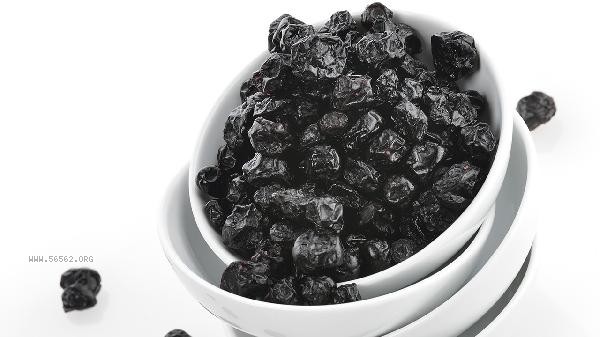
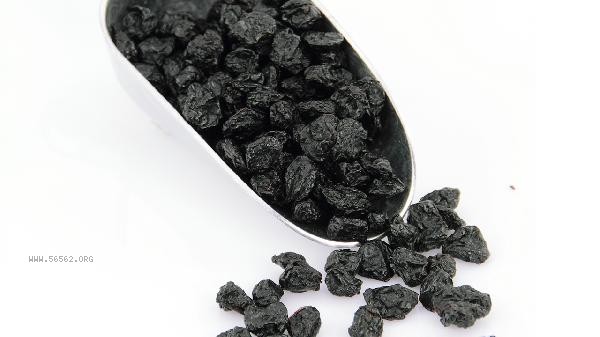
Use a food dryer to dry with hot air at 60 degrees Celsius for 8-10 hours, or bake at the lowest temperature in an oven for 3-4 hours until the fruit is wrinkled and free of moisture. Completely dry blueberries need to be placed in moisture-proof jars, added with food desiccants, and stored in the dark for up to 1 year. Before consumption, it can be soaked in warm water to restore its texture, but it has a tough taste and is more suitable as a cereal or yogurt ingredient. Pay attention to insufficient drying, which can easily mold, while excessive drying can produce a burnt and bitter taste.
4. Vacuum sealing
uses a vacuum machine to remove air from the packaging, isolate oxygen, and delay oxidation. Unclean blueberries can be vacuum refrigerated for up to 2 weeks and frozen for an additional 3-5 months. Industrial grade vacuum packaging will be filled with nitrogen gas, and it is necessary to ensure that the sealing strip is completely closed during household operation. After opening, it should be consumed as soon as possible. Secondary vacuum may cause mold growth due to surface condensation.
5. Add preservatives
Soak in diluted lemon juice or vitamin C solution for 3 minutes. Acidic environment can inhibit bacterial growth. You can also make sugar soaked blueberries, marinate them in layers with sugar in a 1:1 ratio, and store them in the refrigerator for one month. This method will alter the original flavor and is suitable for subsequent processing and use. Natural preservatives such as propolis extract are safer than chemical preservatives, but pregnant women and those with allergies should use them with caution.
Daily storage of blueberries should avoid direct sunlight and high temperature environments. When purchasing, choose fresh fruits with intact fruit powder and moderate hardness. Different storage methods can be used in combination, such as first vacuuming and then freezing. Before consumption, carefully check for any fermented flavor or mucus, as spoiled blueberries may contain harmful substances such as penicillin. It is recommended to process blueberries in batches according to the consumption plan. Frozen blueberries have less nutrient loss, but their vitamin C content will decrease over time. Early consumption can better preserve their nutritional value.








Comments (0)
Leave a Comment
No comments yet
Be the first to share your thoughts!