
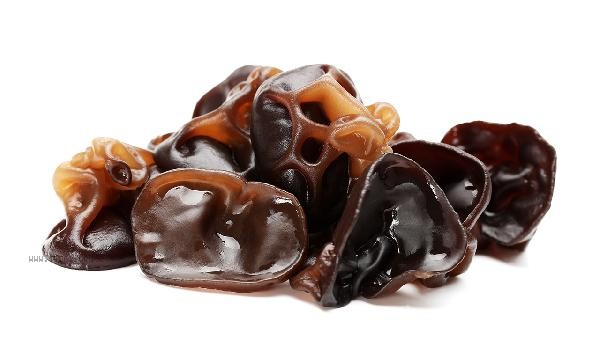
After soaking the fungus, it can be stored in a sealed container for 3-5 days and frozen for up to 1 month. The key to extending storage time lies in controlling water sterilization, isolating air, and creating a low-temperature environment. After soaking the fungus, it is necessary to thoroughly drain the water, use kitchen paper to absorb the surface water stains, and then put them into a fresh-keeping box or vacuum bag. It is recommended to place a layer of absorbent paper inside the container during refrigeration and replace it daily to absorb condensed water. If there is an increase in mucus or a sour smell, it should be discarded immediately. For short-term storage, sprinkle a small amount of cooking oil and mix well to form an oil film that inhibits bacterial growth. When it needs to be stored for a long time, the fungus can be divided into small portions and frozen. After thawing, the taste is slightly soft but still suitable for stewing. Before freezing, blanch for 30 seconds to kill surface microorganisms, let cool, squeeze out excess water, and then seal. To avoid repeated thawing, frozen fungus can be directly added to hot soup during cooking. Dried mushrooms that have been re soaked should not be frozen for secondary storage.
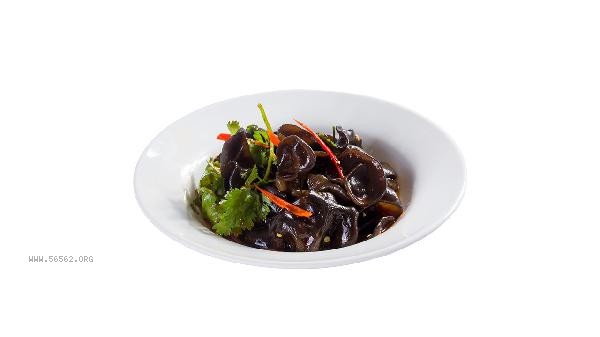
Daily recommendation: Soak the fungus in batches according to the amount consumed to avoid waste. The soaking time should be controlled within 4 hours, and in summer, ice water can be used to slow down bacterial growth. Rinse again before cooking and check for mold or odor. Cold mixed fungus should be cooked and eaten immediately. Auricularia auricula is rich in dietary fiber and minerals. Reasonable storage can maximize the retention of nutrients, but if there are signs of spoilage, it must be discarded.









Comments (0)
Leave a Comment
No comments yet
Be the first to share your thoughts!