
The key to preventing bananas from turning black during storage is to control the release of ethylene and slow down oxidation reactions, mainly through methods such as low temperature and light avoidance, hanging storage, separate storage, wrapping the stem, and avoiding compression.
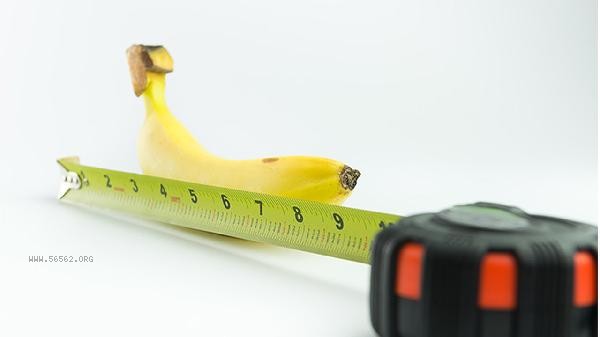
1. Low temperature and light avoidance
Storing bananas in a cool environment at 13-15 degrees Celsius can effectively delay ripening. Excessive temperature can accelerate the release of ethylene and cause the skin to turn black, but it should not be refrigerated as low temperatures can cause cell frostbite and black spots. You can choose to store in ventilated storage cabinets or basements, while avoiding direct sunlight.
2. Hanging and saving
Using hooks to hang the entire string of bananas can reduce the compressed area. When placed flat, the contact surface is prone to producing oxidase due to cell damage, while hanging can ensure even air circulation and contact with ethylene gas. Suggest keeping the cling film on the banana stem to reduce water loss from the stem.
3. Separate storage
Separating bananas from other fruits can reduce ethylene concentration. Fruits such as apples and pears release a large amount of ethylene, accelerating the ripening and browning of bananas. When stored separately, it can extend the shelf life by 2-3 days, especially keeping away from fruits with high maturity.
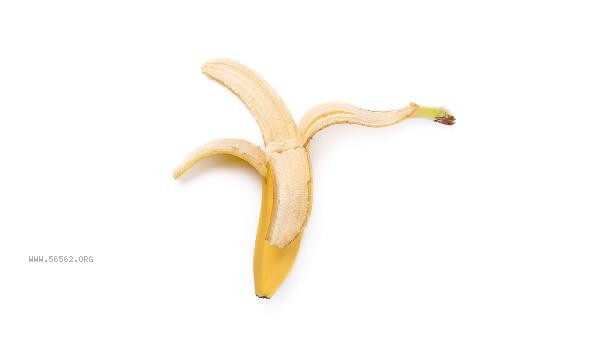
4. Wrap the stem section of banana skewers tightly with tin foil or cling film. The stem is the main release site of ethylene, and wrapping it can block gas diffusion and slow down the ripening speed of the entire bunch of bananas. Changing the packaging material every two days yields better results.
5. Avoid squeezing
During transportation and storage, prevent bananas from being bumped or rubbed. Mechanical damage can activate polyphenol oxidase, leading to local blackening. When selecting, choose fruits without scars, and it is recommended to use fruit baskets with partitions for home storage.
For daily consumption, you can first peel and cut ripe bananas into pieces and freeze them for use in making milkshakes or baking. Immature bananas can be stored together with ethylene absorbing materials such as apples and rice. If there are a small amount of black spots on the skin, it can still be consumed, but if the flesh turns black, it needs to be discarded. Regularly check the humidity of the storage environment and maintain it at around 60% to maintain the toughness of the fruit peel. For bananas that have been cut open, a small amount of lemon juice can be dripped to delay oxidation and discoloration.









Comments (0)
Leave a Comment
No comments yet
Be the first to share your thoughts!