
Bananas can be stored for extended periods of time by controlling temperature, reducing mechanical damage, adjusting humidity, storing separately, and avoiding direct sunlight. Bananas are prone to rapid ripening and decay due to oxidation and ethylene, and scientific storage can delay the spoilage process.
1. Temperature control
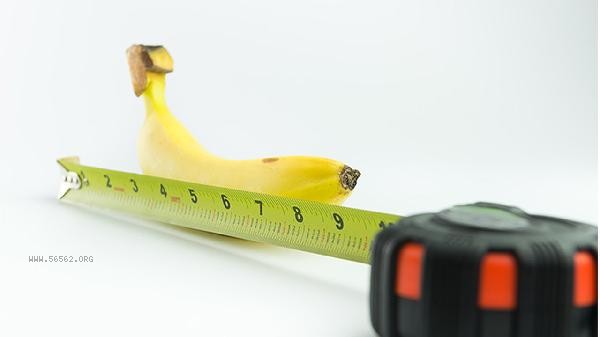
Storing immature green bananas in a cool environment at 12-15 degrees Celsius can significantly slow down the ripening rate. Temperatures below 10 degrees Celsius can cause frostbite and blackening of banana skin, while temperatures too high can accelerate the conversion of starch into sugar. The temperature in the refrigerator compartment of a household refrigerator is usually too low. It is recommended to wrap the banana roots with plastic wrap and place them in a ventilated and dark place.
2. Reduce mechanical damage
After the banana skin is damaged, more ethylene will be released to accelerate decay, and squeezing and collision should be avoided during transportation. Choose fruits without scratches or spots when purchasing, and check and remove bananas with scars before storage. Wrapping the roots of banana skewers with soft cloth at the contact area with hard objects can effectively reduce physical damage during transportation.
3. Adjust humidity
Wrapping banana roots in slightly damp kitchen paper can maintain a suitable humidity of 85% -90% to prevent rapid evaporation of moisture. But it is necessary to regularly replace damp paper to avoid the growth of mold at the roots. Placing half a cup of water or sliced apples in a storage container can create a moist microenvironment and delay the withering of bananas.
4. Store bananas separately.
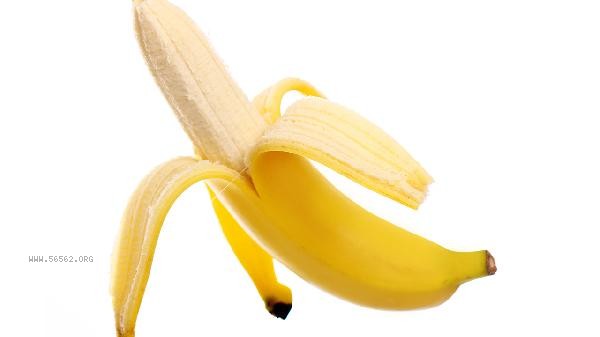
Bananas should be kept away from fruits such as apples and pears that release a large amount of ethylene. Separating them from other fruits and vegetables can reduce their ripening speed. Hanging bananas in a well ventilated area is more conducive to ethylene diffusion than stacking them in containers, and using bamboo baskets or mesh bags with better breathability is better than using sealed plastic bags.
5. Avoid direct sunlight.
Ultraviolet radiation can damage the natural protective layer of banana skin and accelerate oxidative browning. The storage location should be chosen in the backlit corner of the kitchen or inside the cabinet, and covering the banana skewers with a blackout cloth can reduce the impact of light. Cut bananas should be coated with lemon juice on the cut surface and sealed for refrigeration to prevent enzymatic browning.
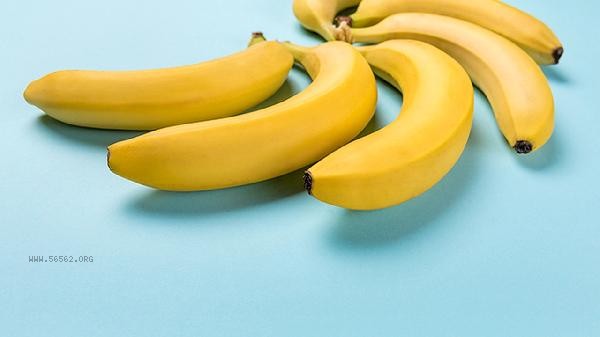
For ripe bananas, they can be peeled, packaged, and frozen for use in making milkshakes or baked goods. Check the condition of bananas daily, and bananas with black spots should be consumed or processed in a timely manner. Maintain a clean environment during storage and regularly clean rotten fruits to avoid cross contamination. Combining low-temperature light avoidance and humidity control can usually extend the shelf life of bananas by several days, but it is recommended to purchase them in batches according to their actual maturity to reduce waste.








Comments (0)
Leave a Comment
No comments yet
Be the first to share your thoughts!