
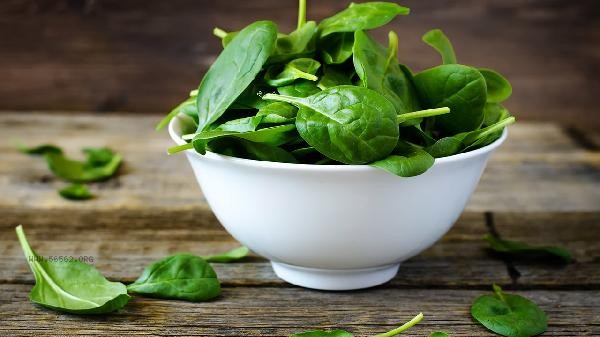
When stir frying spinach, methods such as blanching, controlling the heat, and pairing with acidic ingredients can effectively reduce astringency. The astringency of spinach mainly comes from oxalic acid, and proper processing can enhance its taste while preserving its nutrients.
1. Blanch to remove astringency
Add a small amount of salt to boiling water, blanch the washed spinach for 10-15 seconds, and then immediately supercool it. High temperature can decompose some oxalic acid, and soaking in cold water can maintain the emerald green color while removing about 40% of astringent substances. Note that blanching for too long can lead to the loss of vitamin C.
2. Stir fry quickly over high heat
Stir fry quickly over high heat for 1-2 minutes. High temperature and short-term cooking can reduce the dissolution of oxalic acid. Suggest first saut é the minced garlic until fragrant, then quickly stir up the spinach and pour a little sesame oil over it before serving. Avoid using iron pots, as iron ions can exacerbate astringency and cause the dish to turn black.
3. Acidic Mixing
Pour half a tablespoon of white vinegar or lemon juice over the edge of the pot before starting. The acidic environment can neutralize alkaline oxalic acid. It can also be stir fried with acidic ingredients such as tomatoes and hawthorns, which can increase freshness and reduce astringency by more than 30%. But those with excessive stomach acid need to control the amount of acidic seasonings used.
4. Selection of tender leaves
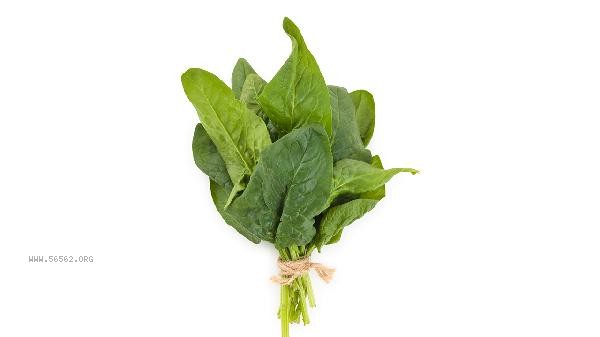
Priority should be given to selecting spinach with tender green leaves and short stems in the current season, as the oxalic acid content in old leaves and roots is higher. Removing the roots and tearing open the stems can help precipitate oxalic acid during cooking. The oxalic acid content in winter spinach is lower than that in summer varieties.
5. Calcium binding
When stir frying, calcium containing ingredients such as tofu and shrimp skin are added. Calcium ions can combine with oxalic acid to form calcium oxalate, which is not easily absorbed, reducing astringency and the risk of stones. Suggest frying high calcium ingredients until slightly yellow, then stir fry with spinach for 1 minute.
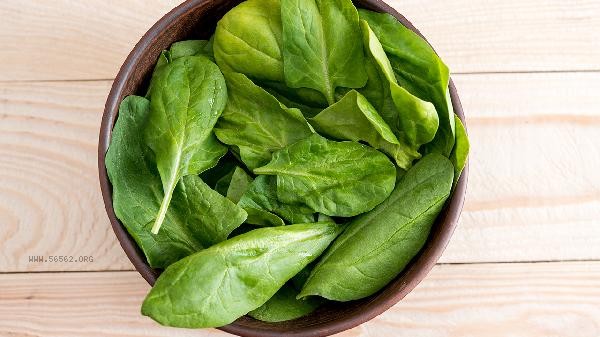
It is recommended to consume no more than 500 grams of spinach per week, and patients with kidney stones should strictly control their intake. Eating with colorful peppers or kiwis rich in vitamin C can promote iron absorption. When storing, wrap the roots with wet paper towels and refrigerate to avoid wilting of the leaves and increasing oxalic acid concentration. If there is discomfort such as numbness in the mouth and tongue, drinking milk can relieve oxalic acid stimulation.








Comments (0)
Leave a Comment
No comments yet
Be the first to share your thoughts!