
The key to making fried peanuts crispy and crunchy lies in the control of heat and pre-treatment methods. There are mainly five tips: selecting peanuts, soaking and peeling them, cold frying with cold oil, stir frying over medium to low heat, and cooling them down when they are taken out of the pot.
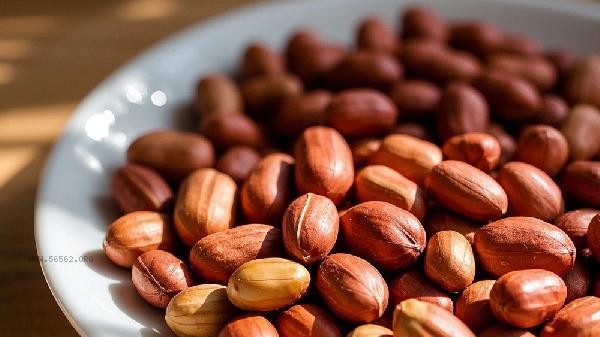
1. Select peanuts
Choose fresh peanuts with plump grains, and remove germinating or moldy grains. Aged peanuts have decreased oil content and are not easily crispy. Shelled peanuts need to be dried before peeling, and peanuts stored in humid environments need to be dried in an oven at low temperatures to remove moisture.
2. Soak and Peel
Soak peanuts in water for 10 minutes, then rub off the red coat, drain and spread out to dry or blow dry the surface moisture with an electric fan. Peeling can prevent the red coat from burning and affecting the taste, while residual moisture can cause peanuts to become soft and tough.
3. Cold Pot with Cold Oil
Heat an iron pot until slightly hot, then pour in cold oil. The amount of oil should be less than half of the peanuts. High temperature resistant oils such as peanut oil or rapeseed oil should be used, while olive oil is not suitable for high-temperature stir frying. Adding cold oil to the pot can evenly heat the peanuts.
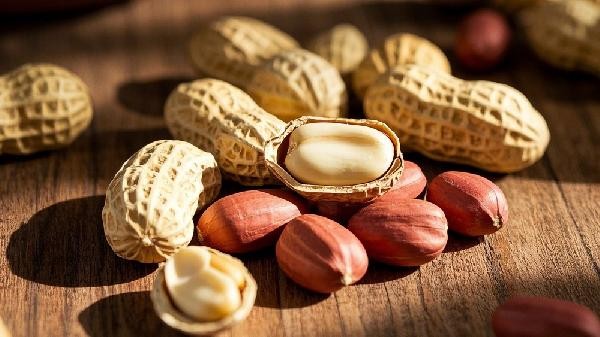
4. Stir fry over medium to low heat
Keep the heat on medium to low throughout the process, and use a wooden spatula to continuously stir until evenly heated. Turn down the fire to the minimum when you hear a loud explosion, and immediately turn off the fire when the interval between explosions becomes longer. Excessive frying can cause peanuts to become soft and oily.
5. Cool down after cooking
After turning off the heat, quickly spread the peanuts on oil absorbing paper and sprinkle a small amount of salt or sugar to accelerate heat dissipation. After complete cooling, seal and store. Residual temperature will make peanuts continue to become brittle, and hot sealing is prone to moisture regain.
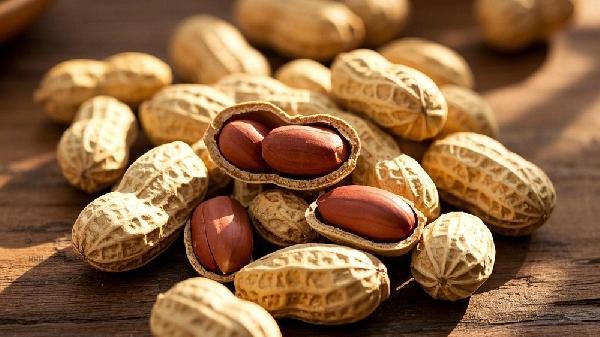
During the frying process, avoid using high heat to stir fry quickly, as this can cause the outside to become burnt and the inside to become raw. Peanuts are rich in unsaturated fatty acids and protein, and moderate consumption is beneficial for cardiovascular health, but it is recommended to limit the daily intake to less than 30 grams. When storing, food desiccants can be placed to prevent moisture. If a halal smell is found, it should be discarded immediately. People who are allergic to peanuts should avoid contact with peanut products, and children should have adult supervision to prevent choking when consuming them.








Comments (0)
Leave a Comment
No comments yet
Be the first to share your thoughts!