
The key to making a non stick pan after coating lean meat with starch is to control the oil temperature, starch dosage, and stir frying technique. There are mainly five key points: starch selection, meat slice processing, oil temperature control, pot selection, and stir frying techniques.
1. Starch Selection
The use of corn starch or potato starch has a better effect. This type of starch has a moderate gelatinization temperature and can form a uniform protective layer. Sweet potato starch has strong viscosity and is prone to clumping, so it is not recommended to use it. The ratio of starch to meat slices is about 1:10. Too much can cause adhesion, while too little cannot form a protective film.
2. Processing of Meat Slices
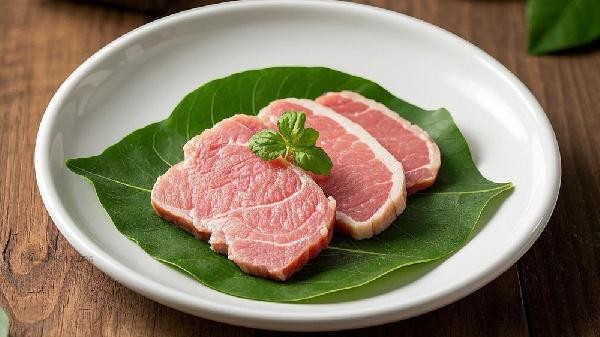
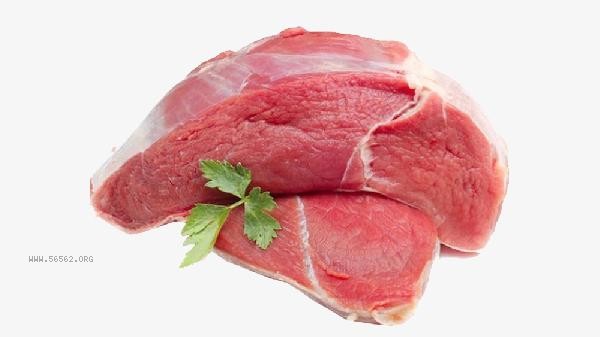
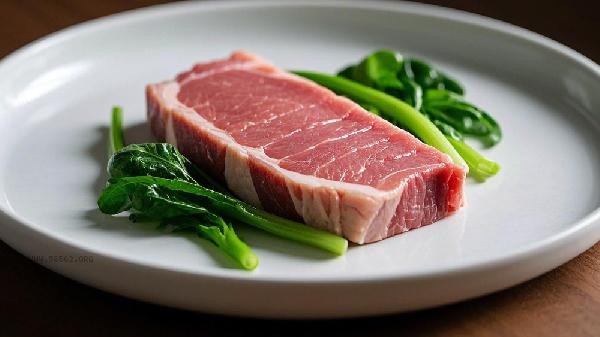
When cutting meat, cut it into 3mm thin slices against the grain and lightly tap the fibers with the back of the knife to loosen them. When marinating, first add cooking wine and light soy sauce, then mix well. Finally, add starch and a small amount of cooking oil. Let it stand for 10 minutes to allow the starch to fully absorb water and form a dense starch film.
III. Oil Temperature Control
Pour twice the amount of oil used for stir frying into the pot and heat it to 50 to 60% heat before slicing the meat. You can use chopsticks to test the oil temperature, and insert them into the oil to see fine bubbles around. insufficient oil temperature will cause starch to peel off, while excessive temperature will quickly cause coking and sticking to the pot.
4. Pot selection
It is recommended to use thick iron or stainless steel pots, which have uniform thermal conductivity and are not prone to local overheating. The new pot needs to be fully heated until it emits green smoke before pouring oil to form an oil film layer. Although non stick pans are non stick, high temperatures can damage the coating, so it is not recommended to stir fry for a long time.
5. Frying Techniques
After putting the sliced meat into the pot, let it sit for 10 seconds to allow the surface to set, and then quickly spread it with chopsticks. Maintain a medium to high temperature throughout the entire process and avoid frequent flipping. Immediately pour a small amount of cool oil along the edge of the pot when it becomes sticky, and use the principle of thermal expansion and contraction to separate the ingredients.
When cooking daily, you can first refrigerate the meat slices coated with starch for half an hour, and the low-temperature starch slurry is more stable. Before stir frying, spread out the meat slices and let them air dry to room temperature to avoid temperature differences that may cause deboning. Pair with high water content side dishes such as green peppers and onions, and use vegetable juice to prevent sticking to the pot. After use, the iron pot should be dried, oiled, and cured to maintain a smooth surface for a long time. Pay attention to controlling the amount of food cooked each time, as overcrowded ingredients can easily stick together. After mastering these techniques, not only can it avoid sticking to the pot, but it can also keep the meat slices tender and smooth in taste.








Comments (0)
Leave a Comment
No comments yet
Be the first to share your thoughts!