
The key to stir frying cabbage and tofu lies in controlling the heat and seasoning combination. By preprocessing the cabbage, mastering tofu frying techniques, blending fresh and fragrant sauce, staged stir frying, and thickening before serving, the taste can be improved.
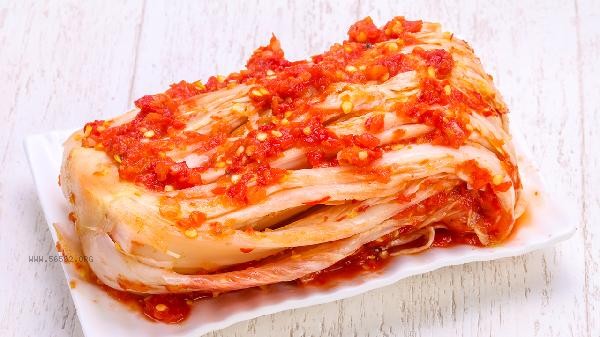
1. Pre treated Cabbage
After washing the cabbage, it is necessary to drain the water and separate the cabbage from the leaves. Sliced vegetables with a slanted knife are easier to digest, and the leaves are torn into a suitable size for the taste. Marinate vegetables with a little salt for 5 minutes to remove the astringent taste, squeeze out the water, and stir fry to make them more crispy and tender. Blanch the vegetable leaves for 10 seconds to maintain their emerald green color, but excessive blanching can lead to vitamin loss.
2. Tofu Frying Techniques
Cut the old tofu into pieces and use kitchen paper to absorb the surface moisture. Fry in a hot pot, cold oil, and medium heat until both sides turn golden brown to form a crispy crust. Sprinkle a small amount of salt during frying to accelerate dehydration, and gently push with a spatula when flipping to avoid breakage. Lactone tofu can be steamed for 5 minutes to set and then cut into pieces, or directly wrapped in egg mixture and fried to increase the protein protective layer.
3. Mix Fresh Sauce
Mix base sauce with soy sauce, oyster sauce, and white sugar in a ratio of 2:1:1, add half a tablespoon of starch, and stir well with water. People who enjoy spicy food can add Douban sauce or Xiaomi chili, while those who love freshness can add a little fish sauce. Preparing the sauce in advance can shorten the frying time and avoid temporary seasoning that may cause tofu to break or cabbage to overcook.
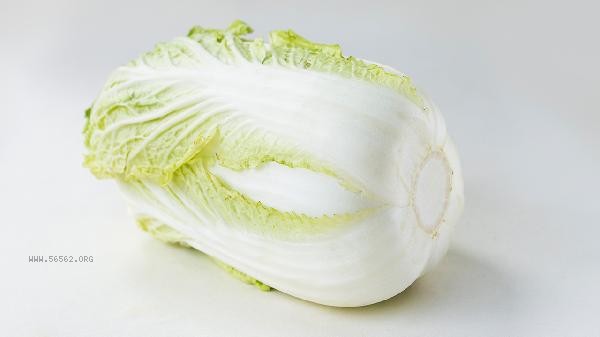
Fourth, stir fry in stages
First, saut é minced garlic and ginger slices until fragrant, then add to the dish and stir fry over medium heat until semi transparent. Push it to the edge of the pot and fry the tofu until fragrant. Pour in the vegetable leaves and quickly stir fry over high heat. Drizzle the sauce along the edge of the pot and stir the spoon to evenly coat the ingredients. Staged operation can maintain the integrity of tofu and avoid the impact of cabbage water on pot air.
Fifth, thicken the sauce before serving.
When the ingredients are nine cooked, turn down the heat and pour in water starch to thicken the sauce. Sprinkle chopped scallions or cilantro to enhance the fragrance, and add two drops of sesame oil to brighten the color. Gourd can make the sauce adhere more evenly, but it is necessary to control the thickness of the sauce, as excessive thickness can mask the original flavor of the ingredients. Eat the tofu as soon as possible after plating to avoid further dehydration caused by residual heat.
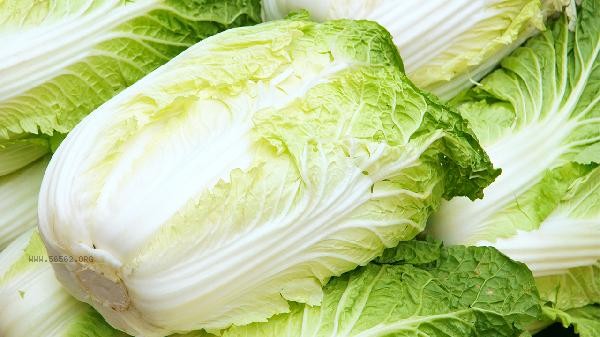
Choose Huangxin cabbage after frost to have a higher sweetness, and pair it with brine tofu beans for a stronger aroma. Maintain high temperature throughout the frying process and use an iron pot to produce better cooking air. Vegetarians can add shiitake mushrooms or black fungus to enhance the flavor, while meat versions can be paired with pork belly slices to enhance the taste. Note that the maturity of cabbage and leaves is different, and adding them to the pot in batches is the key to maintaining the taste. Tofu contains high-quality protein and calcium, while cabbage is rich in vitamin K and dietary fiber. Low temperature stir frying can maximize the retention of nutrients. Special populations such as gout patients should control their intake of tofu, and those with gastrointestinal sensitivity can stir fry cabbage until fully cooked.








Comments (0)
Leave a Comment
No comments yet
Be the first to share your thoughts!