
Stewed chicken soup should balance freshness and nutrition, with the key being the selection of ingredients, temperature control, and scientific processing. A delicious and nutritious chicken soup requires attention to the selection of old hens, pairing with ingredients such as yam and goji berries, blanching to remove fishy odors, and slow stewing over low heat.
1. Material selection and treatment
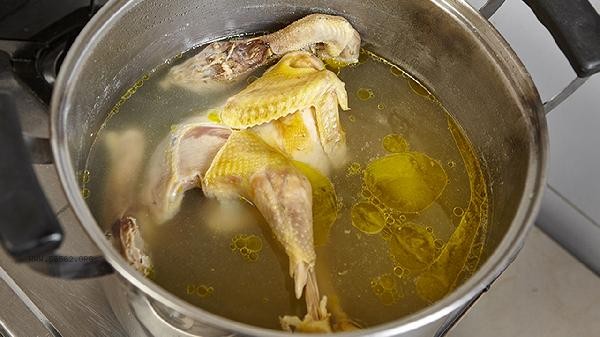
Select free aged hens that are over one year old, with firm meat and rich in collagen. After slaughter, it is necessary to thoroughly clean the internal organs and remove excess oil. Soaking in cold water for half an hour can cause bleeding. After cutting, blanch with ginger slices and cooking wine to effectively remove the fishy smell. Retaining chicken skin can increase the thickness of the soup, but it is recommended for people with high blood lipids to remove the skin.
2. Ingredient pairing
Basic pairing recommendation: Ginger and scallion to remove fishy smell. Nutritious options include adding yam, red dates, goji berries, shiitake mushrooms, etc. Yam contains mucin to aid digestion, goji berries contain goji polysaccharides to enhance immunity, and shiitake mushrooms contain shiitake polysaccharides to enhance freshness. Medicinal herbs such as Angelica sinensis and Codonopsis pilosula should be added according to one's constitution to avoid excessive intake and causing internal heat.
3. Temperature control
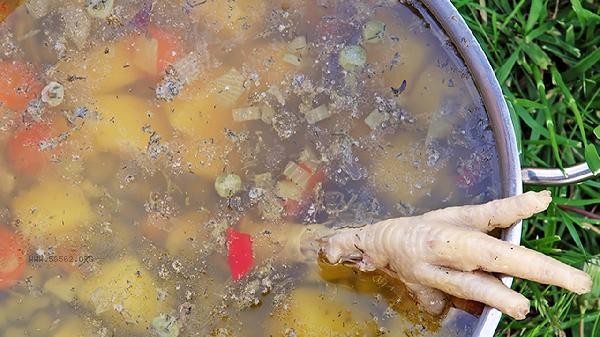
After blanching, use a clay pot to add boiling water and stew again. Bring to a boil over high heat and then simmer over low heat for at least 2 hours. During the boiling stage, skim off the foam and keep the soup clear in color. In the later stage, durable ingredients such as carrots can be added, while easily cooked ingredients such as goji berries need to be added for the last 20 minutes. Using a water-resistant stew pot can better preserve nutrients.
4. Seasoning timing
Salt should be added 10 minutes before serving, as it can cause the meat to turn dry too early. Add a small amount of white pepper for freshness, but avoid using monosodium glutamate. If the soup is greasy, you can add two slices of hawthorn or a little tangerine peel to help relieve the greasiness. Diabetes patients should reduce the consumption of jujube.
5. Nutrient retention
Cover during stewing to reduce the loss of water-soluble vitamins. If there is too much oil in the soup, it can be refrigerated and the surface oil can be scraped off. Chicken soup protein mainly exists in chicken meat, it is recommended to consume it with meat and soup. Gout patients should control their intake. For those with high uric acid levels, it is recommended to blanch before stewing and reduce the use of internal organs.
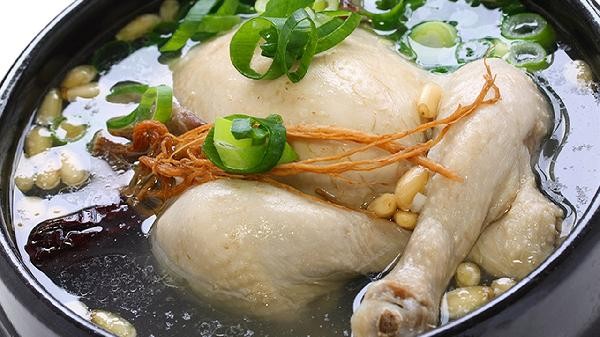
Stewed chicken soup should be eaten with mixed grains, rice, and green leafy vegetables, avoiding consumption with cold foods. Refrigerate for no more than 3 days and boil when reheating. Pregnant women can consume red skinned peanuts to increase blood supply, and postoperative recovery patients can add a small amount of astragalus. People with allergies should be cautious when adding mushroom ingredients, and chronic disease patients are advised to consult a physician to adjust the ingredient plan.








Comments (0)
Leave a Comment
No comments yet
Be the first to share your thoughts!