
The key to tender beef stew lies in the selection of ingredients, pretreatment, and control of heat. There are mainly five key points: meat quality selection, soaking to remove blood, cutting into pieces with reverse lines, low-temperature slow stewing, and acidic pickling.
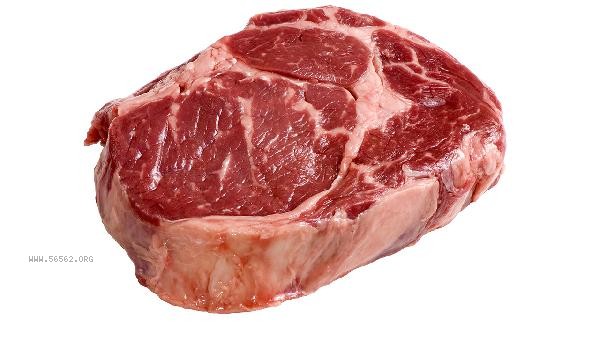
1. Meat Quality Selection
Beef brisket or ribs are the most suitable for stewing, as they contain an appropriate amount of fat and fascia. After long-term stewing, the melted fat can keep the meat moist. Avoid using pure lean meat such as beef tenderloin, as it lacks fat support and can easily become dry. Fresh beef is bright red and shiny, with elasticity when pressed. Frozen meat needs to be thoroughly thawed before processing.
2. Soak in Bloody Water
Soak in clean water for 2 hours before cutting, and change the water 3 times during the process to effectively remove blood and fishy smell. A small amount of salt or flour can be added to the water to help separate the bleeding, but it is not advisable to use hot water or soak for a long time, otherwise too much myoglobin will be lost and affect the flavor. The best color for processed beef is light pink.
3. Cut the beef muscle fibers in reverse lines
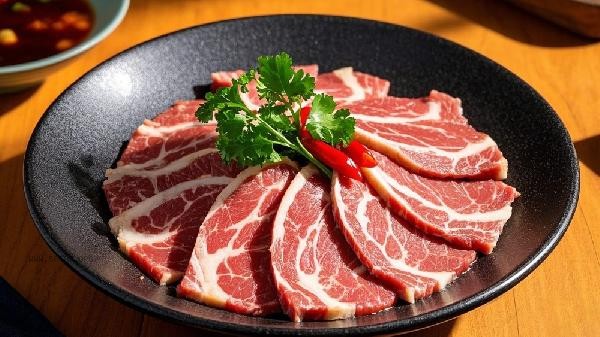
Observe the direction of the fibers, and cut them vertically into 3 centimeters to see a square shape. Cutting long fibers in reverse can reduce chewing difficulty, and block like structures are heated more evenly during stewing. Be careful not to cut too small, as it can easily shatter and affect the taste after stewing.
IV. Slow stewing at low temperature
After boiling, turn to low fire to keep Noodles in soup slightly boiling, and use casserole or cast iron pot for better heat preservation. Collagen gradually transforms into gelatin at 80-90 ℃, and the optimal softening effect can be achieved after 1.5-2 hours. A pressure cooker can shorten the time to 40 minutes, but the flavor is not as mellow as slow stewing.
Fifth, Acidic Marination
Marinate with pineapple juice, kiwi juice, or red wine for 30 minutes, where proteases can break down muscle fibers. You can also add a small amount of vinegar or tomatoes to help soften the meat in an acidic environment. Please note that the pickling time should not exceed 1 hour, as excessive decomposition can cause the meat to become loose. After stewing, turn off the heat and let it simmer for 20 minutes to allow the meat to absorb the soup. Paired with root vegetables such as white radish or potatoes, it can balance the greasiness. Daily consumption is recommended no more than 3 times a week, and hypertensive patients should control their intake of soup. The remaining broth can be filtered and frozen for storage as a base for the next stew.








Comments (0)
Leave a Comment
No comments yet
Be the first to share your thoughts!