
Steaming rice that is fragrant, soft, and delicious requires controlling key factors such as the ratio of rice to water, soaking time, and heat. There are mainly five key points: rice water ratio, soaking time, heat control, braising techniques, and rice selection quality.
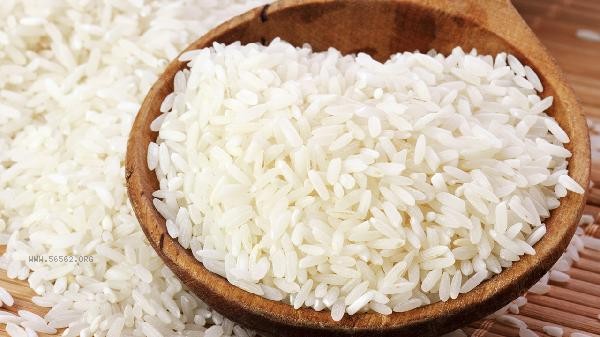
1. Rice water ratio
The ratio of rice to water directly affects the taste of rice, and it is usually recommended to have a ratio of 1:1.2 to 1:1.5. If the moisture content of new rice is high, it can be reduced appropriately, while for aged rice, a small amount of moisture needs to be added. When using the finger joint measurement method, the water surface should be about one and a half finger joint heights above the meter level. Excessive water can cause rice to be too soft and sticky, while insufficient water can easily cause undercooked rice.
2. Soaking Time
After washing, the rice should be soaked for 20-30 minutes to allow the grains to fully absorb water and expand. When the winter water temperature is low, it can be extended to 40 minutes, and when the summer room temperature is high, it can be shortened to 15 minutes. Soaking can make starch gelatinization more uniform, and the steamed rice grains are plump and shiny. Be careful to avoid soaking for too long, otherwise the nutrients on the surface of the rice grains are easily lost.
3. Temperature control
The key is to turn from high heat to low heat and steam slowly after boiling. The initial high heat quickly penetrates the rice core, and after turning down the heat, the moisture is gradually absorbed. When cooking with an electric rice cooker, simply maintain the standard cooking mode after boiling. Traditional steamers need to pay attention to maintaining continuous and even steam to avoid sudden temperature drops caused by opening the lid halfway.
4. Stewing technique
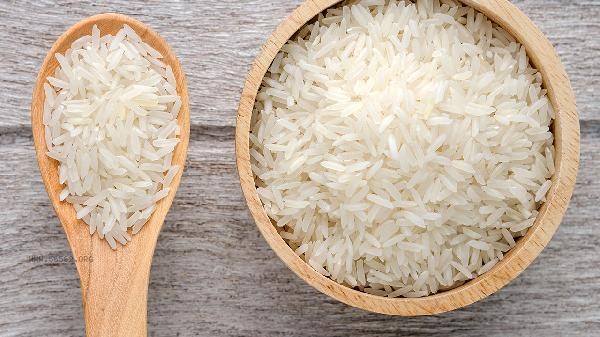
After turning off the heat, continue to simmer for 10-15 minutes to allow the remaining temperature to permeate. Use a pot or rice cooker with good insulation performance, and keep the lid tightly closed when simmering. During this process, the rice grains will absorb residual water vapor, making the taste softer and less likely to form a crust at the bottom. If you prefer a slightly harder texture, it can be shortened to 5 minutes.
5. Quality of Rice Selection
Fresh japonica rice has moderate starch content and is suitable for daily cooking. Northeastern rice has plump grains, while Thai fragrant rice has a special aroma that can be selected according to taste. Pay attention to checking whether the rice grains are intact without yellowing, and store them sealed and moisture-proof. There are differences in water absorption rate among different varieties of rice, and the water amount needs to be adjusted for the first attempt. Before steaming rice, a small amount of cooking oil or salt can be added to the water to help separate the rice grains and enhance their luster. Using filtered water or mineral water can reduce the impact of impurities on flavor. Steaming mixed grains such as sweet potatoes and corn together can increase dietary fiber. Use a rice spoon to loosen and dissipate heat from freshly steamed rice to avoid clumping at the bottom. Pay attention to sealing and storing rice jars in daily life. It is recommended to consume them within two months after opening to maintain freshness. Diabetes patients can appropriately increase the proportion of coarse cereals, and those with weak gastrointestinal function should choose soft glutinous taste.









Comments (0)
Leave a Comment
No comments yet
Be the first to share your thoughts!