
The key to making Sichuan pickled radish crispy and delicious lies in the selection of materials, pretreatment, and fermentation control. There are five core elements: radish variety, salt ratio, dehydration technique, seasoning ratio, and temperature and time.
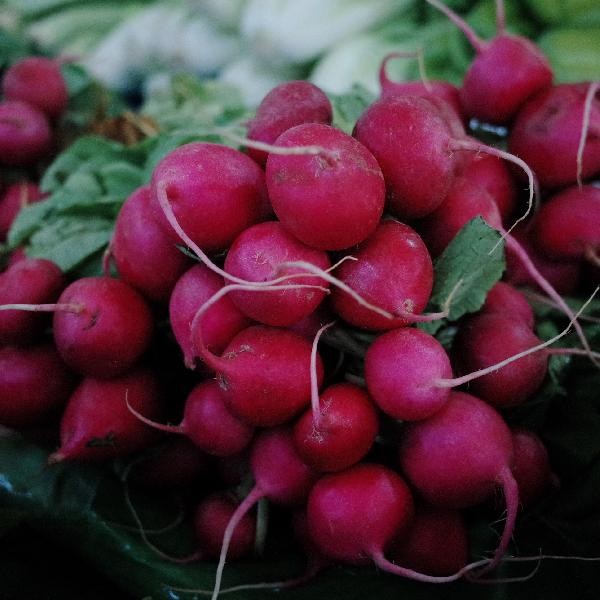
1. Radish variety
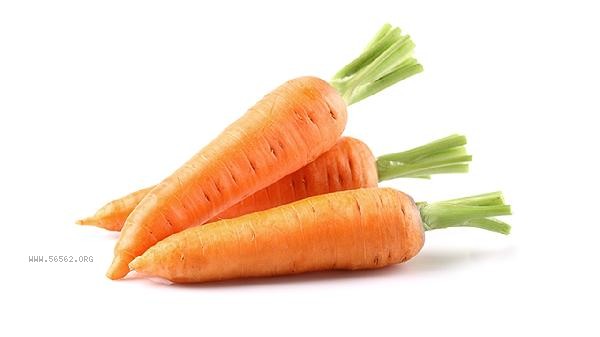
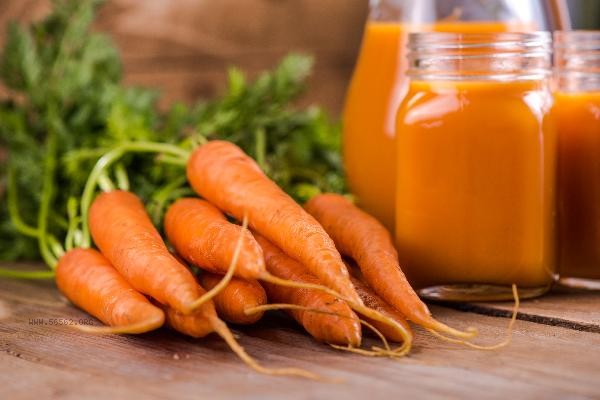
Choose white radish or rouge radish with moderate moisture and tight texture, and avoid using varieties with excessive fiber. Fresh radish has a smooth skin and no pits, and radishes with a diameter of about 5 centimeters are more flavorful. Carrots accumulate sufficient sugar in winter, and their sweetness and crispness become more prominent after soaking.
2. Salt ratio
It is most suitable to mix 40-50 grams of salt per kilogram of radish. For the first pickling, it is necessary to knead the radish with salt until it softens. Insufficient salt content can lead to bacterial contamination, while excessive salt content can inhibit the activity of lactic acid bacteria. Layered salt spraying method can be used, with slightly more salt in the bottom layer for corrosion prevention.
3. Water removal technique
After cutting, use a heavy object to press for 2 hours to remove 30% of the water, or air dry until the skin is slightly wrinkled. Dehydrated radish cells have a tighter structure and can better absorb seasonings when soaked. The traditional method involves using a bamboo sieve to dry in the shade for 12 hours, while modern methods can use gauze to wrap and centrifuge for dehydration.
4. Seasoning ratio
The basic sauce requires 5 grams of Sichuan pepper, 20 grams of ginger slices, 30 grams of garlic cloves, 15 grams of brown sugar, and 500 milliliters of cold water. Adding a little Baijiu can promote fermentation, and wild pepper juice can accelerate acidification process. Perilla leaves or mulberry leaves can maintain crispness, but the total amount does not exceed 3% of the weight of radish.
5. Temperature and time
Fermentation at 20-25 ℃ for 3 days results in the best taste. The jar should be opened daily to release air and prevent explosion. Refrigeration is required in summer to delay fermentation, while cotton quilts can be wrapped for insulation in winter. After soaking for 7 days, the acidity is stable, and it can be stored for 2 months when transferred to 4 ℃ for refrigeration. Use clean chopsticks to prevent contamination when taking it out. During the soaking process, all containers must be disinfected with boiling water to avoid oil contamination. It is normal for white foam to appear during the early stages of fermentation. If black mold spots appear, the entire jar should be discarded. When consuming, it is recommended to pair it with a small amount of sesame oil to enhance its aroma. For those with gastrointestinal sensitivity, it is recommended to consume no more than 100 grams per serving. Unopened kimchi juice can be reused 2-3 times, with 30% new sauce added each time. Regular consumption of fermented foods can help maintain the balance of gut microbiota, but hypertensive patients need to control their intake.








Comments (0)
Leave a Comment
No comments yet
Be the first to share your thoughts!