
Soaking fruits in clean water, baking soda water, saltwater, rice washing water, or fruit and vegetable cleaning agents can effectively remove surface pesticide residues. Different methods are applicable to different types of fruits and pesticide properties, and should be selected based on the actual situation.
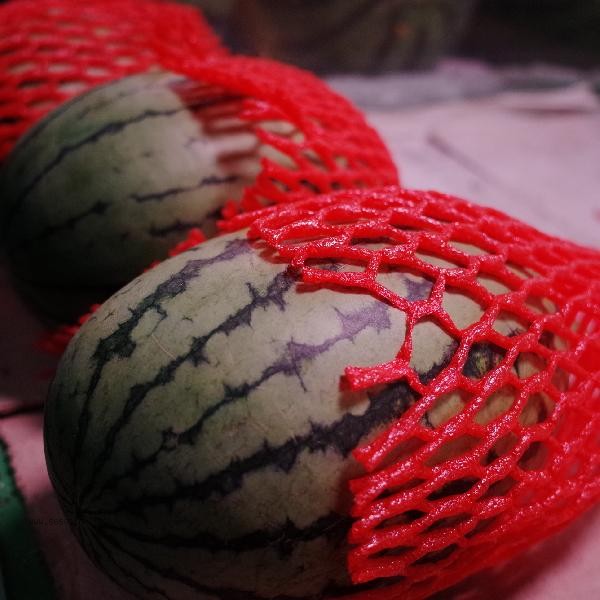
1. Water immersion
Flowing water rinsing combined with soaking is the most basic way to remove pesticide residues. Smooth skinned fruits such as apples and pears can be rinsed with running water for 30 seconds and then soaked for 10 minutes to promote the dissolution of water-soluble pesticides. Grapes, strawberries, etc. that are consumed with skins should be gently rubbed and washed in the grooves on the skin during soaking, but avoid rubbing and damaging them. Soaking in clean water has a good removal effect on organic phosphorus pesticides, but it should be noted that soaking for too long may cause nutrient loss.
2. Soak in baking soda water
Add 5 grams of edible baking soda per liter of water to prepare an alkaline solution. Soaking fruits for 15 minutes can decompose some acidic pesticides. This method has significant effects on the lipid soluble pesticide residues on citrus fruit skin. After soaking, it is necessary to rinse with running water to avoid alkaline residue. Baking soda water has a higher degradation rate for pyrethroid pesticides, but in high temperature weather, soaking time should be controlled to prevent fermentation.
3. Salt water immersion
3% concentration salt water immersion for 10 minutes can penetrate the wax layer of fruits and precipitate some pesticides. This method is suitable for fruits with uneven surfaces such as yangmei and mulberries, as salt can damage the attachment of insect eggs. Salt water has a neutralizing effect on carbamate pesticides, but high concentrations of salt water may cause fruit dehydration. After soaking, it is necessary to thoroughly rinse to avoid residual sodium ions.
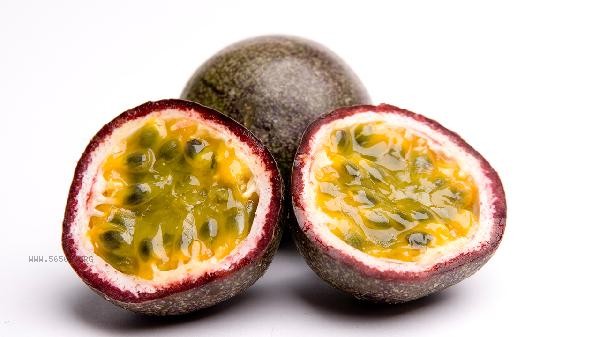
4. Soaking in rice washing water
The rice washing water fermented for 24 hours is weakly acidic, and soaking for 8 minutes can decompose some alkaline pesticides. Perishable fruits such as peaches and plums should be soaked in fresh rice washing water for a short period of time, as starch particles can adsorb fat soluble pesticides. The removal rate of organochlorine pesticides by rice washing water is relatively high, but it needs to be prepared and used immediately to prevent microbial contamination.
5. Fruit and vegetable cleaning agent
The specialized fruit and vegetable cleaning agent is diluted according to the instructions and soaked for 5 minutes. The surfactant can peel off pesticide molecules. It is recommended to use food grade cleaning agents for fragile fruits such as blueberries and cherries, as mechanical friction can damage the skin. Cleaning agents are effective against various compound pesticides, and should be rinsed with running water at least 3 times after use to avoid chemical residues.
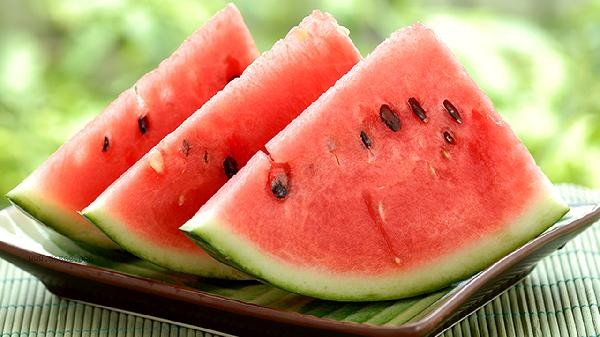
The appropriate method for removing pesticide residues should be selected based on the structure of the fruit skin. Hard fruit peels can prolong the soaking time, while berries are recommended to shorten the soaking time. When cleaning, keep the water temperature below 40 degrees Celsius to avoid damaging nutrients. Peeling and consuming can further reduce the risk of pesticide residues. It is recommended to prioritize purchasing seasonal fruits in daily life, as the use of pesticides is relatively low and the probability of pesticide residues in organically grown fruits is lower. Combining two or more methods for cleaning before consumption yields better results, such as first rinsing with salt water and then soaking in baking soda water. Fruits with unknown chemical odors or abnormal colors should be discarded to avoid ingestion of high-risk pesticide residues.








Comments (0)
Leave a Comment
No comments yet
Be the first to share your thoughts!