
Soaking black fungus in warm water and controlling the time can make it soft and delicious. The main methods for soaking Auricularia auricula include slow soaking in cold water, rapid soaking in warm water, adding sugar as an aid, removing roots, cleaning and changing water, etc.
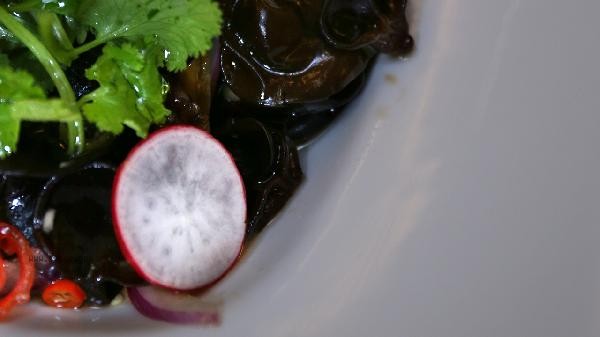
1. Slow soaking in cold water
Cold water soaking is the most traditional way to soak fungus, suitable for situations with ample time. Put the dried fungus into a clean container, add enough cold water to completely immerse it, and soak it at room temperature for a longer time. The taste of black fungus soaked in cold water is more flexible and elastic, which can better maintain the original flavor of black fungus. Pay attention to clean water quality and avoid soaking directly in tap water. You can choose cold boiled water or purified water.
2. Rapid soaking in warm water
Using water at 30-40 degrees Celsius can significantly shorten the soaking time, and it takes about 20-30 minutes for the fungus to fully absorb water and expand. The water temperature should not be too high, as exceeding 50 degrees may damage the nutrients in the fungus. When soaking in warm water, it is recommended to cover it to maintain the temperature, and gently stir it halfway to make the fungus absorb water evenly. This method is suitable for situations where fungus is urgently needed, but its taste is slightly inferior to slow soaking in cold water.
3. Adding sugar assistance
Adding a small amount of white sugar to water can help the fungus soften faster, and sugar can change the osmotic pressure of water to promote water absorption. Add about 5 grams of white sugar to every 500 milliliters of water, as too much can affect the natural flavor of the fungus. This method is particularly suitable for thick textured black fungus, which can make the fungus slices stretch faster and have a smoother and more tender taste. After soaking, thoroughly rinse with clean water to remove surface sugar.
4. Remove the roots
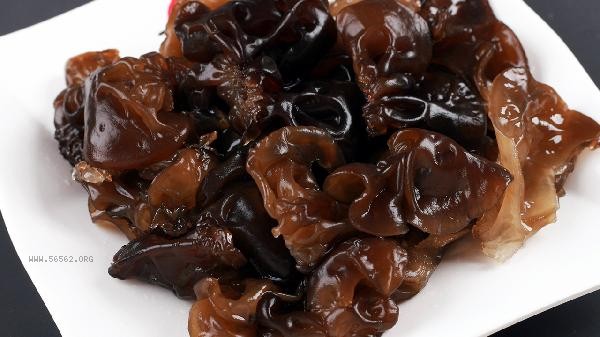
Before soaking, remove the hard and hard parts of the fungus roots, which are hard and not easy to soak. After removing the roots, the water absorption area of the fungus increases, allowing it to expand and soften more evenly. When processing, pay attention to preserving the complete shape of the fungus and trim it along the edge of the root with scissors. For larger black fungus, it can be torn into small pieces and soaked, but it should not be too crushed to avoid affecting the taste.
5. Cleaning and Water Change
During the soaking process, it is recommended to change the water 2-3 times. After soaking for 10 minutes for the first time, discard any water that may contain impurities, and then change the water periodically thereafter. Changing water can remove dust and possible odors from the surface of the fungus, making the soaking effect better. After the last water change, a small amount of starch can be added and stirred to help absorb residual impurities. Finally, rinse thoroughly with flowing water before cooking.
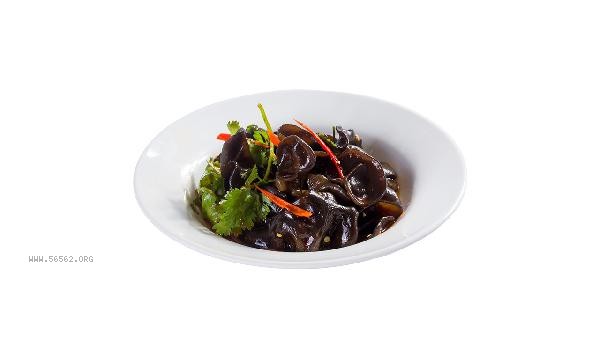
The soaked fungus should be consumed as soon as possible, and any unused fungus should be stored in a controlled amount of dry water and refrigerated for no more than 2 days. High quality black fungus can expand 8-10 times in volume after soaking, appearing full and translucent. Before cooking, you can tear it into a suitable size by hand. When mixing cold, it is recommended to blanch for 30 seconds to remove any raw flavors. When stir frying, pay attention to the heat to avoid aging. Different soaking methods can be combined for daily use, and the soaking degree can be adjusted according to the needs of the dishes. At the same time, it should be noted that black fungus is a high dietary fiber ingredient, and those with weak gastrointestinal function should control their consumption.








Comments (0)
Leave a Comment
No comments yet
Be the first to share your thoughts!