
Stir fried rice that has become salty can be remedied by adding water and stir frying again, pairing with salt absorbing ingredients, and adjusting seasoning. Excessive salt intake may cause problems such as thirst and edema, which need to be dealt with in a timely manner.
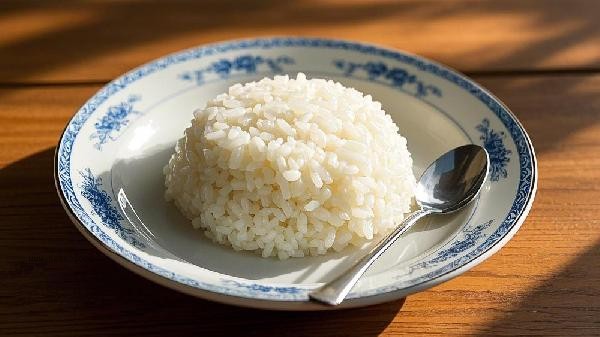
1. Add water and stir fry again
Add a small amount of hot water or broth to the overly salty stir fried rice and rice, stir fry again evenly. Water can dilute salt concentration, while high temperature allows rice grains to absorb some of the liquid. Pay attention to controlling the heat to avoid burning the pot. You can add small amounts in portions and adjust the taste after each stir fry. This method is suitable for situations where the salt content is slightly excessive and the rice is not completely dried.
2. Mix with salt absorbing ingredients
Add diced potatoes, tofu, or beaten eggs and stir fry. These ingredients are rich in plant protein or starch, which can absorb some salt. Potatoes need to be blanched in advance to remove surface starch, and it is recommended to use aged tofu to avoid crushing. You can also mix fresh vegetables such as cucumber shreds and lettuce to balance the salty taste, but be aware that vegetables are prone to water leakage when exposed to heat.

3. Adjust seasoning
Neutralize saltiness by adding sugar, vinegar, or lemon juice. Sugar and salt can create taste opposition, and a small amount of white sugar or honey can alleviate the stimulation of salt. Acidic substances such as vinegar and apple cider vinegar can enhance the flavor level. It is recommended to pour them along the edge of the pot to stimulate the aroma. If conditions permit, an additional portion of salt free rice can be stir fried and mixed.
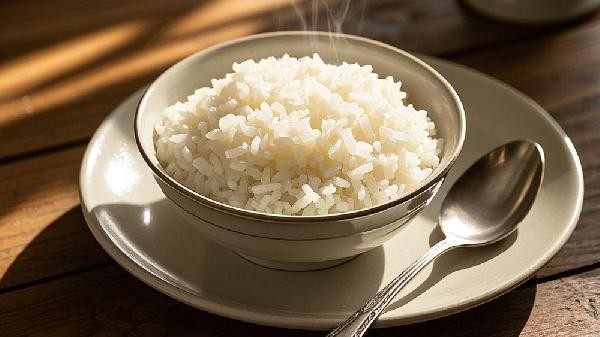
It is recommended to use a limited salt spoon to control the amount of salt used in daily cooking. Adults should not consume more than 5 grams of salt per day. Long term high salt diet can increase the risk of hypertension and cardiovascular disease. The remedied fried rice can be used with diuretic food such as Winter melon soup and mung bean soup to help sodium metabolism. Children and individuals with renal dysfunction should strictly control salt intake. If symptoms such as dizziness and vomiting occur after consuming salty food, they should be treated promptly.








Comments (0)
Leave a Comment
No comments yet
Be the first to share your thoughts!