
Cooking rice that is too sticky can be improved by adjusting the amount of water, reheating, mixing other ingredients, and other methods. Thick rice is usually related to excessive water content, improper selection of rice varieties, or improper control of heat.
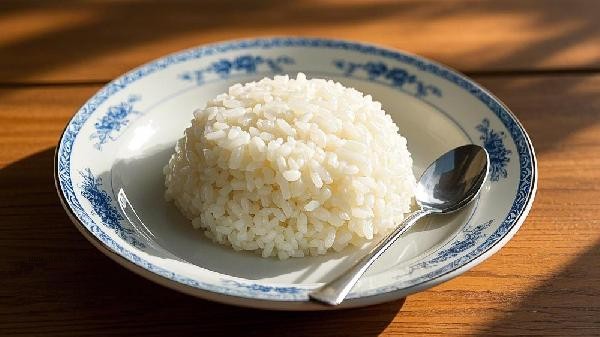
1. Adjust the water volume
If the rice is not completely cooled, immediately add a small amount of hot water to dilute and stir, and use the waste heat to evaporate the excess water. Rice can also be spread flat in a wide mouthed container, and chopsticks can be used to poke out the air holes to help dissipate heat and evaporate moisture. For overnight sticky rice, add a little warm water back to the pot and stir over medium heat until the water is dry.
2. Reheat
Spread the sticky rice on a flat bottomed pan or steamer cloth, and slowly dry over low heat or steam over water for 5-8 minutes. During the heating process, it is necessary to repeatedly disperse the rice grains to promote the rearrangement of starch granules. When heating in the microwave, cover with wet gauze and heat over medium to high heat in stages, stirring after 1 minute each time to avoid local overheating and clumping.
3. Mixed ingredients
Add scrambled eggs, diced vegetables or meat and other ingredients with low water content, stir fry them to make Fried Rice with eggs or braised rice to absorb excess water. It can also be mixed with oatmeal, millet and other coarse grains to adjust the texture, or used to make Rice and vegetable roll and Congee after refrigeration. Dried ingredients such as shredded seaweed and sesame can quickly absorb surface moisture and improve taste.
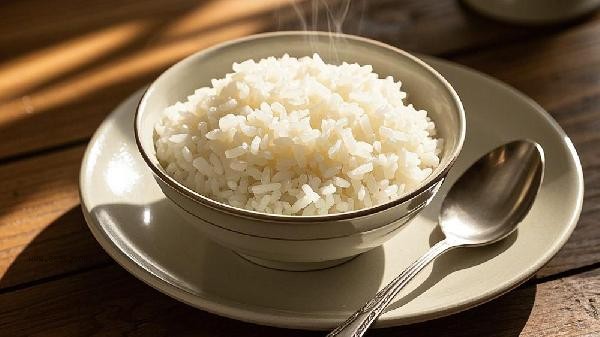
4. Change cooking method
Sticky rice can be processed into rice cakes or fried cakes: mix an appropriate amount of flour and eggs to make a paste, and fry until both sides are golden brown. Or boil it with milk and sugar to make rice pudding, and use secondary heating to decompose gelatinized starch. Fermented rice wine and fermented mash can also transform into a viscous texture.
5. Preventive measures
When selecting long grain or japonica rice, the rice water ratio should be controlled at around 1:1.2, and the soaking time should not exceed 30 minutes. Immediately turn off the power of the rice cooker after cooking, as prolonged cooking time can cause excessive starch gelatinization. New rice has a high moisture content and can be reduced by 10% of its water usage, while aged rice needs to be soaked and softened in advance.
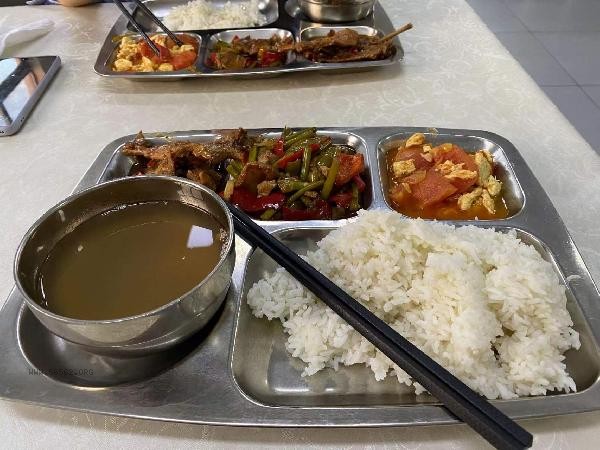
It is recommended to adjust the amount of water used for daily cooking according to the characteristics of the rice variety. Northeast rice has strong water absorption and requires a ratio of 1:1.3, while Thai fragrant rice requires a ratio of 1:1.1. Gently rinse 2-3 times during rice washing to avoid excessive scrubbing and loss of surface starch. When cooking, a small amount of cooking oil or lemon juice can be used to prevent sticking and keep the rice grains clear. If the problem of sticking to the pot persists for a long time, you can check whether the coating on the inner pot of the rice cooker has peeled off, or switch to cooking utensils with uniform thermal conductivity such as clay pots and cast iron pots.








Comments (0)
Leave a Comment
No comments yet
Be the first to share your thoughts!