
Tea leaves that have become damp can be saved through methods such as drying, air drying, freezing, frying, and sealing. The moisture of tea may be caused by factors such as high humidity in the storage environment, loose packaging, temperature difference condensation, etc. The appropriate treatment method should be selected according to the degree of moisture.
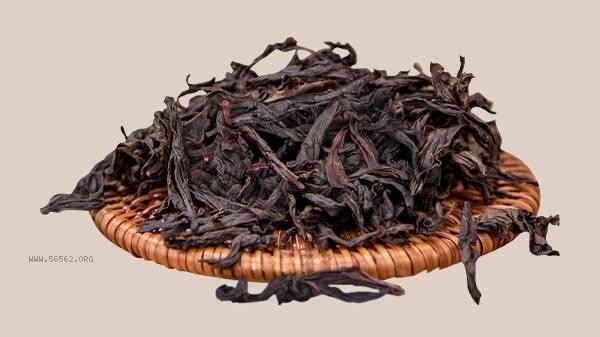
1. Drying
Spread damp tea leaves evenly on a clean, oil-free baking tray and place them in the oven to bake at low temperature. Control the temperature at around 50 degrees Celsius and flip it every few minutes to avoid local overheating. This method is suitable for lightly damp tea leaves, which can effectively remove moisture and retain the tea aroma. Be careful not to use microwave heating, as high temperatures can damage the active ingredients in tea leaves.
2. Drying
Choose a dry and ventilated place to spread out the tea leaves, avoiding direct sunlight. You can use a bamboo sieve or cotton cloth as a base, and flip it 3-4 times a day to accelerate water evaporation. This method is suitable for mild moisture during high humidity in spring, with a processing time of about 2-3 days. Attention should be paid to environmental dust pollution, and operations should not be carried out on rainy days.
3. Freeze
Put the tea leaves into a sealed bag to expel air, and place them in the freezer for 48 hours. Low temperature can cause moisture to condense and detach from the tea leaves. After removal, it needs to be allowed to cool down before opening. Suitable for damp and non moldy tea leaves, with significant effects on delicate teas such as green tea. After processing, it is recommended to drink it as soon as possible to avoid secondary moisture.
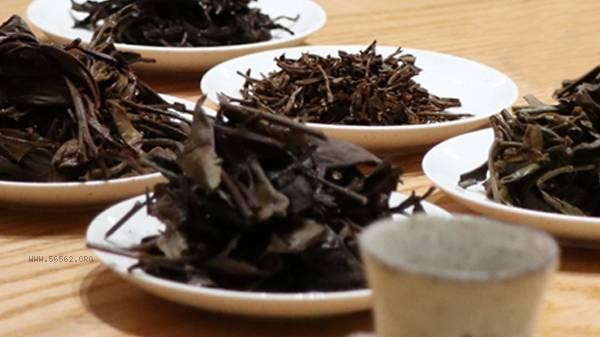
4. Stir fry
Use a clean iron pot to slowly stir fry damp tea leaves over low heat, and the technique requires quick flipping to ensure even heating. Stir fry until the tea leaves make a crisp sound, which can restore some of the aroma. This method is highly applicable to fermented teas such as oolong tea and black tea, but it may alter the original flavor hierarchy.
5. Seal
Put the tea leaves and food desiccant together in a sealed jar and let it sit in a cool place for one week. Desiccant can absorb excess moisture from tea leaves, making it suitable for situations where it is slightly damp and inconvenient for other handling. It is recommended to use color changing silicone desiccant for easy observation of moisture absorption status and timely replacement.
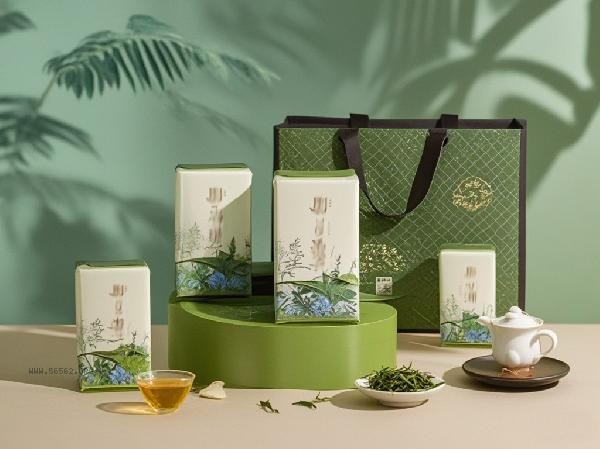
To prevent tea from getting damp, the relative humidity of the storage environment should be kept below 60%, and sealed containers such as tin cans and purple clay cans should be used to avoid light. Different types of tea should be stored separately, with green tea recommended for refrigeration and Pu erh tea requiring moderate ventilation. Regularly checking the condition of tea leaves and promptly dealing with moisture can maximize the preservation of quality. Tea leaves that have already become moldy should not be consumed anymore. The aflatoxin produced by mold growth is heat-resistant and harmful to health.








Comments (0)
Leave a Comment
No comments yet
Be the first to share your thoughts!