
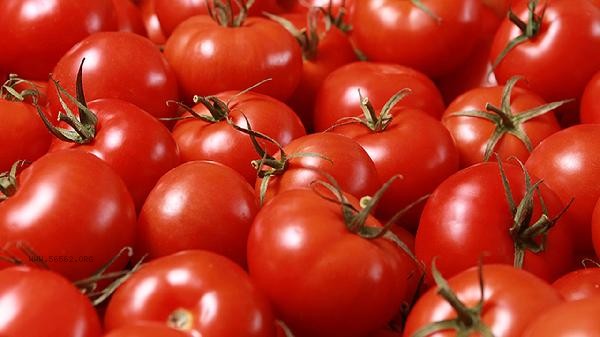
Winter tomatoes can be ripened faster through methods such as ethylene ripening, rice burial, banana and apple assistance, warm water soaking, and carton sealing. These methods are achieved by simulating natural maturation environments or utilizing the effects of plant hormones.

1. Ethylene ripening
Place immature tomatoes and ripe bananas or apples in a sealed bag, and the ethylene gas released by ripe fruits can promote rapid softening and discoloration of tomatoes. Ethylene is a natural hormone in plants that can activate ripening enzymes in tomatoes. This method needs to be checked daily to avoid overcooking and rotting. Please note that the sealing time should not exceed two days to prevent the growth of mold due to high humidity.
2. Rice Burial
Store green and astringent tomatoes in dry rice for 3-5 days. The rice can absorb excess water and form a closed space, accumulating the ethylene gas released by the tomatoes themselves. This method is suitable for varieties with high hardness. It is necessary to choose containers with good breathability and check their maturity by flipping them daily to avoid mechanical damage caused by local compression.
3. Banana and Apple Assistance
Lay newspapers on the bottom of the cardboard box, alternate between tomatoes and ripe banana and apple fruits, and the ethylene produced by the fruits will penetrate into the tomato skin. It is recommended to pair 1-2 bananas per kilogram of tomatoes and maintain the ambient temperature at 15-20 degrees Celsius for optimal results. Attention should be paid to removing fruits that have already been damaged to prevent cross contamination.
4. Soaking tomatoes in warm water
Soaking tomatoes in water at around 40 degrees Celsius for 10 minutes can temporarily increase metabolic activity and promote post ripening. This method is suitable for fruits with intact skin. After soaking, they should be immediately dried and placed in a well ventilated area to avoid freezing damage caused by sudden temperature changes. The effect on greenhouse grown tomatoes in winter is significant, but it may slightly affect fruit compaction.
5. Carton Sealing
Place the tomatoes in a single layer in a cardboard box lined with straw, cover it with breathable cotton cloth, and seal it for storage. An increase in carbon dioxide concentration inside the box can stimulate ethylene synthesis, while straw can buffer vibrations and regulate humidity. It is recommended to open the box and ventilate for 10 minutes every two days, with an ambient humidity of around 60% to avoid skin wrinkling.

Winter ripening tomatoes should pay attention to maintaining a stable ambient temperature, avoiding direct sunlight or proximity to heat sources such as radiators. Mature tomatoes should be consumed as soon as possible, as refrigeration can inhibit the formation of flavor compounds. It is recommended to choose fruits with no scars and fresh green stems before ripening, and regularly check and remove moldy individuals during the ripening process. For tomatoes that require long-term preservation, they can be made into tomato sauce or frozen to retain more nutrients.








Comments (0)
Leave a Comment
No comments yet
Be the first to share your thoughts!