
Qi deficiency and obesity can be compensated and reduced through traditional Chinese medicine regulation, moderate exercise, and dietary adjustments. Qi deficiency and obesity are mainly caused by factors such as spleen deficiency, insufficient lung qi, and congenital endowment, manifested as symptoms such as fatigue, shortness of breath, and spontaneous sweating.
1. TCM recuperation
The obese with qi deficiency can use traditional Chinese patent medicines and simple preparations such as Buzhong Yiqi Pill, Shenling Baizhu Powder, Yupingfeng Granule, etc. according to the doctor's advice. Bu Zhong Yi Qi Wan can nourish the spleen and stomach, promote yang and lift depression, and is suitable for obesity with weak spleen and stomach; Shen Ling Bai Zhu San can invigorate the spleen and qi, promote dampness and stop diarrhea, and is suitable for those with spleen deficiency and excessive dampness; Yupingfeng granules can nourish qi and stabilize the surface, improve the symptoms of easy colds and spontaneous sweating caused by lung qi deficiency. Acupuncture and moxibustion or moxibustion at Zusanli, Qihai and other acupoints can also help to replenish qi.
2. Moderate exercise
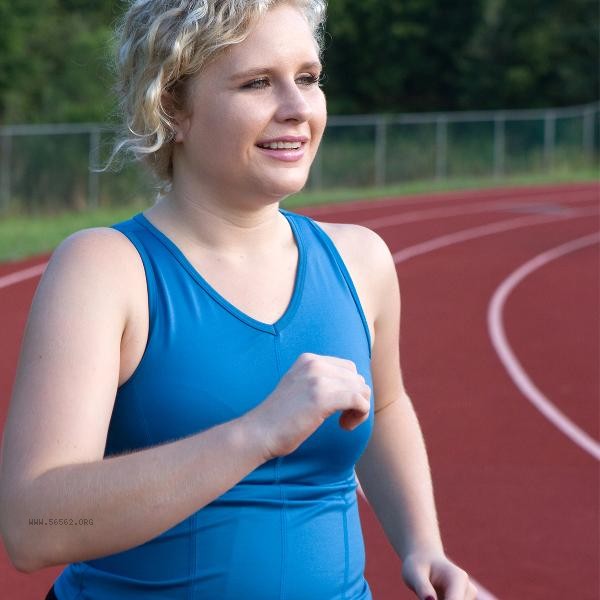
Choose low-intensity exercises such as Ba Duan Jin, Tai Chi, and walking, and stick to them 3-5 times a week for 20-40 minutes each time. During exercise, it is recommended to sweat slightly and not feel obvious fatigue, in order to avoid excessive exercise that may damage one's vital energy. The action of "regulating the spleen and stomach with a single lift" in the Eight Section Brocade can strengthen the circulation of the spleen and stomach; The slow movements of Tai Chi combined with breathing can regulate the rise and fall of the Qi machine.
3. Dietary regulation
Moderate consumption of foods that invigorate the spleen and qi, such as yam, lotus seeds, water chestnuts, millet, and red dates. Yam can be steamed and consumed 100-200 grams per day; Congee with Lotus Seeds and Euryale Fruit is suitable for breakfast; Xiaomi can benefit the stomach and replace some staple foods. Avoid raw, cold, and greasy foods. The main cooking method is steaming and stewing, and less frying is used. Chew slowly during meals, and be 70% full with each meal.

4. Daily Maintenance
Ensure sufficient sleep, go to bed before 11pm at night, and avoid staying up late and wasting energy. You can take a 30 minute nap during the day. Pay attention to keeping warm, especially protecting the abdomen, waist, and feet, to prevent external pathogens from invading and aggravating qi deficiency. To maintain a relaxed mood, one can relieve stress through meditation, deep breathing, and other methods. Emotional difficulties can also affect the functioning of the qi system.
5. Acupoint Health
Daily massage of acupoints such as Zusanli, Zhongwan, and Qihai can replenish qi and strengthen the spleen. The Zusan acupoint is located on the outer side of the tibia of the four transverse fingers below the knee, and is pressed for 5-10 minutes daily; The Zhongwan acupoint is located four inches above the navel and can be rubbed clockwise with your palm; Qi Hai acupoint is located 1.5 inches below the navel and can be gently moxibustion with moxa sticks for 10-15 minutes. Before massage, you can rub your palm to heat it up and enhance the effect.
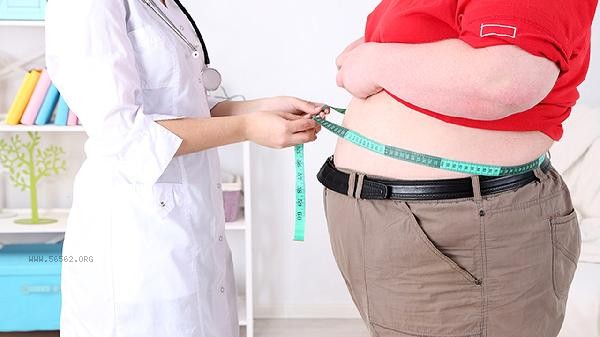
People with Qi deficiency and obesity should gradually lose weight and not pursue rapid weight loss. Excessive weight loss in the short term may deplete vitality, and it is recommended to lose 0.5-1 kilogram per week. Daily consumption of Huangqi and Goji tea can replenish qi. Brew a tea substitute drink with 10 grams of Huangqi and 15 grams of Goji. Maintaining a regular daily routine, avoiding excessive fatigue, and moderate exposure to sunlight can help generate yang energy. If the symptoms persist without improvement or are accompanied by other discomforts, timely medical treatment should be sought based on syndrome differentiation.








Comments (0)
Leave a Comment
No comments yet
Be the first to share your thoughts!