
Wax on fruits can be removed by soaking in warm water, scrubbing with salt, cleaning with baking soda, wiping with white vinegar, or using specialized fruit and vegetable cleaners. Fruit wax is divided into natural fruit wax and artificial fruit wax. Although artificial fruit wax meets food safety standards, it may affect taste and health.
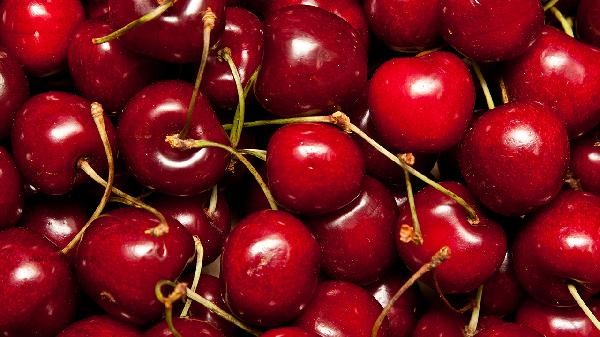
1. Soak the fruit in warm water
Soak the fruit in 40-50 ℃ warm water for 5-10 minutes, soften the surface fruit wax, and then gently wipe it with a soft cloth. This method is suitable for fruits with hard skin such as apples and pears. High water temperature may damage the nutritional content, and citrus fruits should not be soaked for a long time.
2. Rub with salt
Take a small amount of salt and sprinkle it evenly on the moist surface of the fruit. Gently rub in circles with your fingertips for 30 seconds and rinse off. The friction effect of salt particles can effectively remove the wax layer, suitable for small fruits such as grapes and plums. After scrubbing, it is necessary to thoroughly rinse to avoid salty residue.
3. Baking soda cleaning
Add 10 grams of baking soda per liter of water, dissolve and soak the fruit for 15 minutes. Baking soda has weak corrosiveness and can decompose wax, making it particularly effective for hairy fruits such as peaches and peaches. After soaking, it needs to be repeatedly rinsed with running water.
4. Wipe with white vinegar
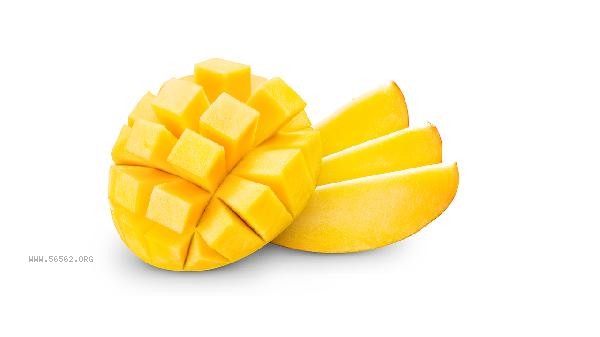
Soak kitchen paper in white vinegar and directly wipe the fruit peel. Acetic acid can dissolve most artificial wax. This method is suitable for citrus fruits such as lemons and oranges. After wiping, let it stand for 2 minutes and then rinse, which can simultaneously remove surface pesticide residues.
5. Special cleaning agent
Select a fruit and vegetable cleaning agent labeled as "edible grade", dilute it according to the instructions and soak it. This type of product contains surfactants that can effectively remove wax. When cleaning soft berries such as strawberries and blueberries, the soaking time should be controlled within 3 minutes.
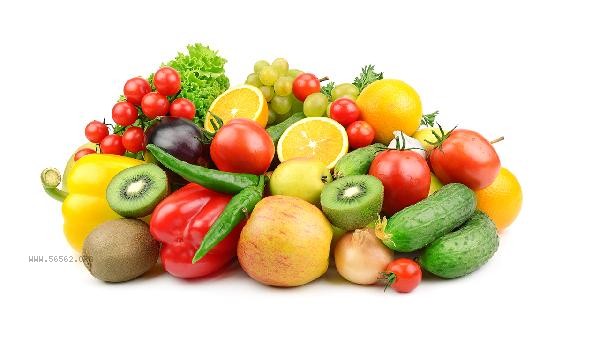
When making daily purchases, it is advisable to prioritize fresh fruits with fruit stems, which usually require less waxing. Organic certified fruits may have residual natural fruit wax, but there is no need to deliberately remove it. After cleaning, it is recommended to rinse with cold water to avoid contamination with raw water. Thoroughly removing wax from fruit peels for direct consumption can reduce gastrointestinal irritation, especially for children and those with weaker digestive function. If abnormal reflection or stickiness is found on the surface of the fruit, it is recommended to peel it before consumption.








Comments (0)
Leave a Comment
No comments yet
Be the first to share your thoughts!