
Walnut kernels can be peeled using methods such as hot water soaking, oven heating, freezing, kneading, or natural drying. The outer skin of walnut kernels contains tannic acid, which has a bitter taste but certain nutritional value. Whether to peel or not depends on the consumption needs.
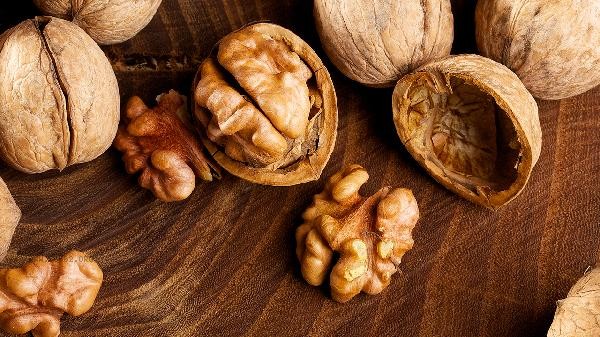
1. Hot water soaking method
Soak walnut kernels in hot water at around 80 ℃ for 5 minutes, and gently rub the surface after the water temperature drops to room temperature. Hot water will soften and expand the fibers on the outer skin of walnut kernels, creating gaps with the kernels. This method is suitable for cooking needs that require maintaining the intact shape of walnut kernels, such as making amber walnuts or decorating pastries. Be aware that excessively high water temperature may result in the loss of some water-soluble nutrients.
2. Oven heating method
Spread raw walnut kernels on a baking tray, bake at 150 ℃ for 8 minutes, and then take them out to cool. After being heated, the outer skin becomes brittle and cracks, and can be easily peeled off by twisting and rubbing with your fingers. This method can stimulate the aroma of walnuts and is suitable for direct consumption or making nut platters. Attention should be paid to the high temperature of the oven, which can easily cause fat oxidation. It is recommended to open the oven door to dissipate moisture during the baking process.
3. Freezing method
Seal the raw walnut kernels and place them in the freezer for 2 hours. After removal, quickly knead them. Low temperature causes separation between the outer skin and the kernel due to different shrinkage coefficients. This method maximizes the retention of nutrients, especially suitable for making complementary foods for infants and young children. Excessive freezing time may lead to water crystallization in walnut kernels, affecting their crispy texture.
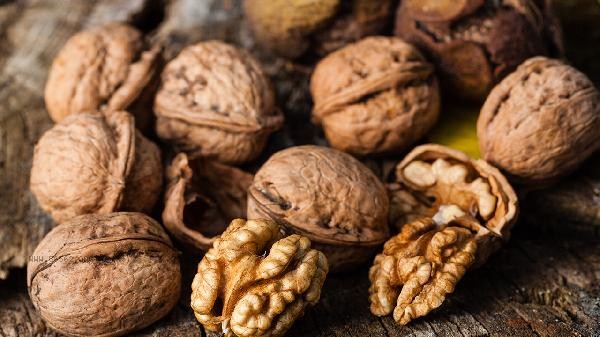
4. Rubbing Method
Put the walnut kernels into a fine mesh or cotton bag, and repeatedly rub and press with both hands to make the outer skin fall off. The traditional method requires wind power to blow away the broken skin, which is suitable for large-scale processing. This method causes significant mechanical damage to walnut kernels and may result in broken grains. It is recommended to use it as a walnut sauce or baking ingredient in the future.
5. Natural air drying method
After exposing walnuts with shells to sunlight for 3 days, tap the shells and remove the kernels. In a dry environment, the outer skin naturally curls and peels off. This method depends on climate conditions, with a peeling rate of about 70%, and the remaining stubborn outer skin needs to be manually cleaned. The sun drying process can promote the conversion of unsaturated fatty acids, but it is necessary to prevent dust and moisture to avoid mold growth. Although walnut kernels contain antioxidant components, tannic acid can affect protein absorption. Peeled walnut kernels are more suitable for making beverages such as milk and walnut sauce, while retaining the outer skin is more suitable for frying to enhance flavor. It is recommended to choose the peeling method according to the cooking method. The processed walnut kernels should be sealed and stored away from light, and should be consumed within two weeks after opening. Daily intake should be controlled within 20 grams to avoid excessive intake of fats. Combining walnuts with yogurt and oats can improve nutrient utilization efficiency. For those with weak gastrointestinal function, it is recommended to chew them thoroughly before consumption.








Comments (0)
Leave a Comment
No comments yet
Be the first to share your thoughts!