
There are five common methods for removing the shell of water chestnuts, including boiling, cutting, squeezing, freezing, and biting. The shell of water chestnuts is hard, and it is difficult to peel them directly. Mastering the correct method can more efficiently obtain water chestnut flesh.
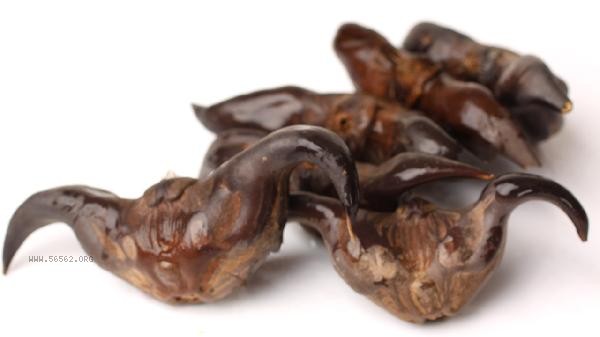
1. Water Boiling Method
Boil the water chestnuts in boiling water for 5 minutes. The shell will soften when heated. At this time, gently press the ends of the water chestnuts with chopsticks or spoons, and the flesh will be squeezed out from the crack. This method is suitable for large-scale processing, and the boiled water chestnuts can be retained for soup making. Please note that the cooking time should not be too long to avoid the fruit pulp being too soft and affecting the taste.
2. Knife Cutting Method
Use a kitchen knife to cut a shallow incision at the waist of the water chestnut, hold both ends with both hands and twist them in the opposite direction. The shell will separate along the incision. Attention should be paid to the safety of tool use during operation. It is recommended to place the water chestnut on a stable table for cutting. This method is suitable for fresh water chestnuts, while the outer shell of old water chestnuts stored dry is hard and not easy to cut open.
3. Squeezing method [SEP]: Stand the water chestnut upright on the cutting board and lightly tap the top with a rolling pin. After the shell is compressed, it will crack from the bottom. You can also use pliers to clamp the two ends of the water chestnut and apply pressure. Choosing water chestnuts with natural cracks in the shell is easier to operate. This method can maintain the integrity of the fruit pulp shape and is suitable for dishes that require the preservation of the shape of water chestnuts.
4. Freezing method
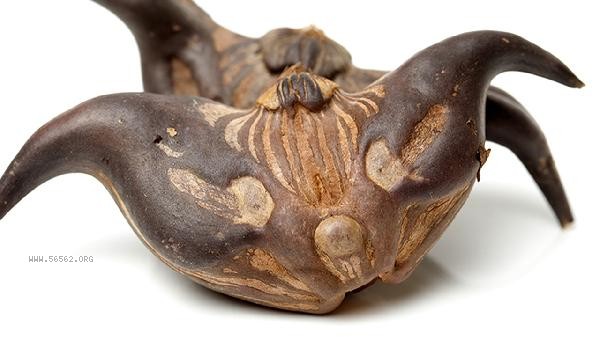
Fresh water chestnuts should be frozen for 2 hours before being removed. The shell may crack due to thermal expansion and contraction, and can be opened by hand at this time. Insufficient freezing time can lead to insufficient cracking of the shell, and if it exceeds 4 hours, the fruit pulp is prone to adhere to the shell. Thawed water chestnuts should be consumed as soon as possible to avoid repeated freezing that may affect their quality.
5. Tooth biting method
For small tender water chestnuts, the front teeth can be used to bite the crack at the waist of the water chestnut and peel it off. Ensure that the water chestnuts are cleaned thoroughly to prevent diseases from entering through the mouth. This traditional method has low efficiency and is not suitable for people with sensitive teeth. It is recommended to use other tools to assist in completing it.
Water chestnuts contain rich starch and vitamin B family. After removing the shell, they can be steamed, fried or made into water chestnut powder. It is recommended to choose fresh water chestnuts with a full shell and no black spots. If not consumed temporarily after removing the shell, they can be soaked in water to prevent oxidation. During the processing, pay attention to tool hygiene. Raw water chestnuts must be thoroughly cleaned. For those with weak gastrointestinal function, it is recommended to heat them thoroughly before consumption. The hardness of the shell of different varieties of water chestnuts varies greatly, and multiple shell removal methods can be combined and applied according to the actual situation.








Comments (0)
Leave a Comment
No comments yet
Be the first to share your thoughts!