
Walnut skins can be removed by methods such as hot water soaking, natural drying, knife cutting, microwave heating, and freeze peeling.
1. Hot water soaking method
Soak walnuts with skin in boiling water for 5-10 minutes. High temperature will soften the outer skin fibers. After soaking, gently brush the surface with a hard bristled brush, and the wrinkled film will naturally fall off. This method is suitable for processing large quantities of walnuts, but it should be noted that high water temperature may damage the nutrient film on the surface of walnut kernels.
2. Natural drying method
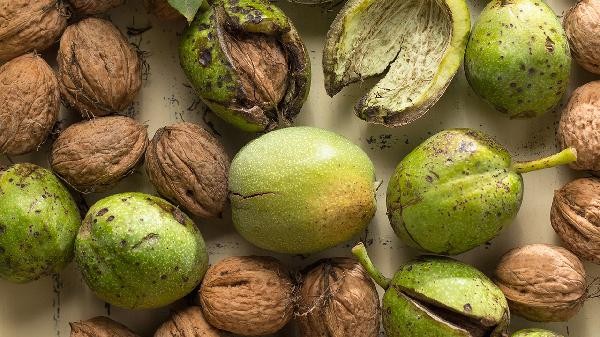
Fresh walnuts are laid flat in a well ventilated area and dried for 3-5 days. After the green skin loses moisture and shrinks, they are manually kneaded. The ultraviolet rays in sunlight can promote the separation of the outer skin and hard shell. This method preserves the integrity of walnuts the most, but it takes a long time and requires clear weather conditions.
3. Knife cutting method
Use a fruit knife to cut 2-3 millimeters deep along the walnut suture line, rotate the blade to pry open the outer skin. It is recommended to wear gloves during operation to prevent juice staining. This method is suitable for handling small amounts and requires precise techniques to avoid damaging the nuts.
4. Microwave heating method
Wrap walnuts in a wet towel and microwave heat for 30 seconds, causing the outer skin cells to rupture with steam. After taking it out, rub it while it is still hot, and the flakes will peel off in patches. This method is the most efficient, but it requires strict time control to prevent the nuts from overheating and spoiling.
5. Freeze peeling method
Seal the walnut and freeze it for 2 hours before removing it. The temperature difference causes the outer skin to become brittle and crack. Knocking on frozen walnuts will cause the outer skin to collapse in chunks. Low temperature environment can effectively inhibit the oxidation and blackening of the outer skin juice, making it suitable for handling easily dyed varieties.
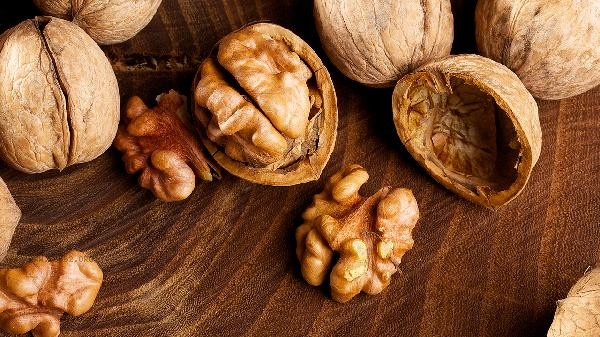
Processed walnuts are recommended to be refrigerated and consumed as soon as possible to avoid oil oxidation. The thickness of walnut outer skin varies greatly among different varieties, and thin skinned varieties can be directly peeled off by hand. If the outer layer has already become woody, you can first lightly tap the crack with a hammer and then peel it off. Pay attention to protection during operation. Walnut green peel juice containing tannic acid may irritate the skin. It should be cleaned promptly after contact. The peeled whole walnut kernels can be used to make foods such as walnut juice and amber walnuts, retaining more unsaturated fatty acids and vitamin E.








Comments (0)
Leave a Comment
No comments yet
Be the first to share your thoughts!