
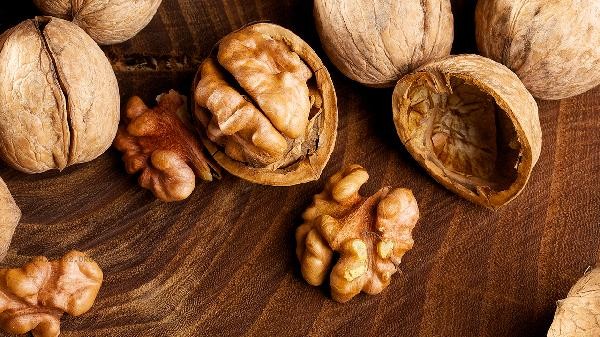
Walnut can be removed from the inner layer using methods such as hot water soaking, steaming, refrigeration, microwave heating, or natural drying. Walnut endothelium refers to the brown thin skin on the surface of walnut kernels, which contains substances such as tannic acid. It has a bitter taste but certain nutritional value.
1. Hot water soaking method
Soak walnut kernels in hot water at around 80 ℃ for 5 minutes. After the water temperature changes, gently rub them with your hands, and the inner lining will naturally fall off. This method can preserve the complete shape of walnuts and is suitable for cooking needs that require maintaining the appearance of the kernels. Note that the water temperature should not be too high to avoid damaging the unsaturated fatty acids in walnuts.
2. Steaming Method
Flatten walnut kernels in a steamer and steam for 3 minutes. Steam will separate the inner lining from the kernels. Immediately supercool the water after steaming, and use the principle of thermal expansion and contraction to shrink and peel off the inner lining. This method has a high peeling efficiency, but may slightly affect the brittleness of walnuts, making it suitable for later use in making walnut paste or baked goods.
3. Refrigeration method
After freezing the raw walnut kernels for 2 hours, the inner layer becomes brittle and easy to peel off due to low temperature. Low temperature treatment can maximize the retention of nutrients, especially suitable for raw food needs. The frozen walnut kernels need to be warmed back to room temperature before processing to avoid condensation caused by temperature differences affecting the taste.
4. Microwave heating method
Walnut kernels are heated in the microwave over medium heat for 30 seconds, and a gap is formed between the inner lining and the kernel after heating. This method is fast but requires strict time control, as excessive heating can cause oil to seep out. It is recommended to intermittently heat for 10 seconds each time and observe the curling of the endothelium to stop.
5. Natural drying method
When walnuts with shells are exposed to sunlight for 2-3 days, the outer shell cracks, and the inner lining becomes brittle and easy to remove due to dehydration after knocking. Although traditional methods are time-consuming, they do not require additional tools and are suitable for large-scale processing. The sun drying process should be rainproof and moisture-proof to prevent walnut mold from producing aflatoxin.
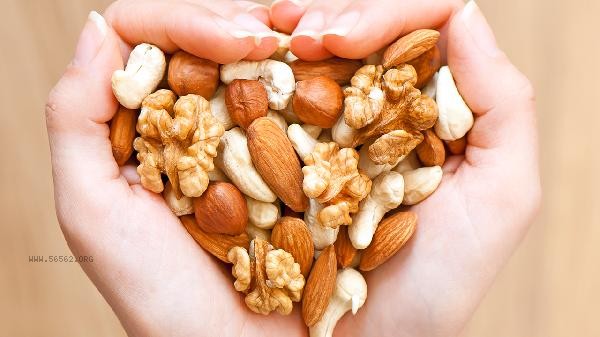
Walnut endothelium contains antioxidant components. If there is no special taste requirement, it can be kept for consumption. It is recommended to seal and refrigerate peeled walnut kernels to avoid oil oxidation. The recommended daily intake is 20-30 grams, and patients with kidney stones should reduce their intake. When consumed with dark colored vegetables and fruits, the vitamin C in them helps to increase the absorption rate of iron in walnuts. Walnuts, as a high-quality source of protein and omega-3 fatty acids, are suitable as brain boosting snacks for students and pregnant women, but those with allergies should try them with caution.








Comments (0)
Leave a Comment
No comments yet
Be the first to share your thoughts!