
Walnut endothelium can be removed through methods such as soaking in hot water, steaming and peeling, refrigeration and freezing, tool assistance, or natural drying. Walnut endothelium contains tannic acid, which has a bitter taste but certain nutritional value. Whether to remove it or not can be chosen according to personal needs.
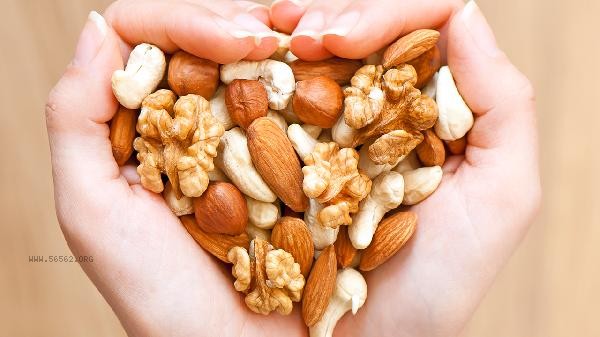
1. Soak walnuts in hot water
Soak walnuts in hot water at around 80 ℃ for 5 minutes. When the water temperature drops to not too hot, gently rub the surface. The inner skin will expand due to heat and separate from the kernels. This method preserves the integrity of walnuts and is suitable for cooking needs that require maintaining the shape of the kernels. Be aware that high water temperature may cause nutrient loss, and it is recommended to control the soaking time.
2. Peel off the walnut after steaming.
Steam the walnut in water for 10 minutes or boil it in boiling water for 3 minutes. The high temperature softens the endothelial fibers. After taking it out, use a toothpick to pick along the gap between the nuts while they are still hot, and you can also tear off the entire inner layer. This method has high efficiency but may affect brittleness, making it suitable for subsequent use in deep processing scenarios such as pulping or baking.
3. Refrigerate and freeze
Fresh walnuts are sealed and frozen for 2 hours. Low temperature causes the inner lining to contract and become brittle. After removal, gently tap the walnut, and the inner lining will peel off in patches. Freezing method can preserve nutrients to the maximum extent possible, but it is important to note that prolonged freezing time can cause dehydration of the nuts. It is recommended to divide the nuts into small portions.
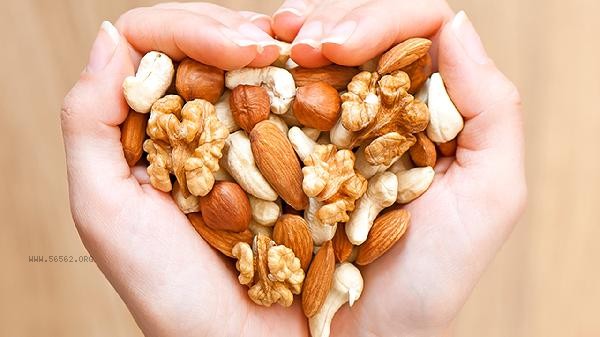
4. Tool assisted
Use a specialized clothes removal clip or nut clamp to gently rotate the walnut and peel off the inner lining through mechanical friction. You can also use a fine mesh sieve to rub and knead the broken walnut kernels, and use the edges of the mesh to scrape off the residual inner lining. The tool has high processing efficiency but may produce debris, making it suitable for large-scale processing.
5. Natural drying
Fresh walnuts should be exposed to sunlight for 3-5 days. After the green skin is completely dry and cracked, some of the inner lining will fall off with the outer shell. The traditional method requires the use of a brush to clean residues, which is suitable for initial processing of walnuts with shells. Pay attention to moisture prevention and avoid mold growth. Excessive drying can lead to oxidation of nut oil.
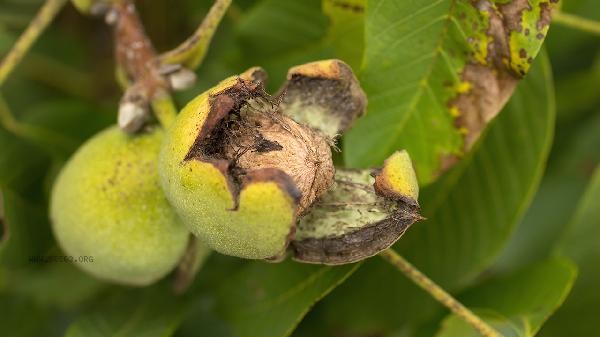
Walnut endothelium contains polyphenols, which has a certain antioxidant effect. If it is used in Tonic Diet or does not care about the bitter taste, it can be retained. After removing the endothelium, it is recommended to seal and store in the dark to prevent the oxidation and deterioration of the kernel fat. The recommended daily intake is 20-30 grams, and pairing with dark vegetables and fruits can promote the absorption of fat soluble nutrients. Individuals with special physical conditions should confirm that there are no allergic reactions before consumption.








Comments (0)
Leave a Comment
No comments yet
Be the first to share your thoughts!