
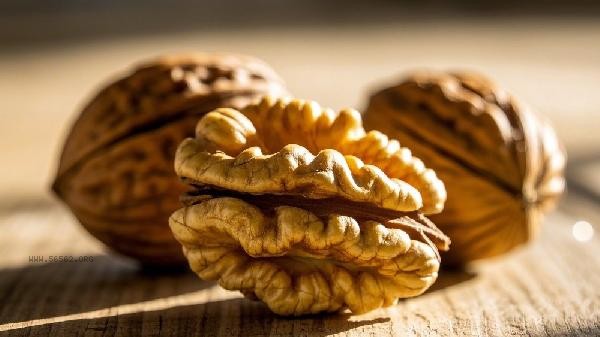
Walnut kernels can be removed by soaking in hot water, manual peeling, oven heating, freezing, or tool assisted methods. Walnut kernels contain tannic acid and have a bitter taste, but they have certain medicinal value. You can choose whether to keep them according to your needs.
1. Hot water soaking
Soak the walnut kernels in hot water at around 80 ℃ for 5 minutes. After the inner skin softens, gently rub with your fingers to peel them off. This method is easy to operate and can preserve the integrity of walnut kernels, making it suitable for small-scale processing at home. Be careful to avoid nutrient loss of walnut kernels due to excessive water temperature or prolonged soaking.
2. Manual peeling
Use nails or a small knife to pick open the inner layer along the crack of the walnut kernel and gradually peel it off. This method causes minimal damage to walnut kernels, but takes a long time, making it suitable for situations where a complete kernel shape is desired. The inner lining of fresh walnut kernels is relatively easy to peel off, and the inner lining of walnut kernels stored for a long time will become harder.
3. Heat the oven
Spread the walnut kernels flat on a baking tray and bake at 150 ℃ for 3 minutes before removing them. The inner lining is more likely to peel off after being heated and contracted. The oven method can enhance the aroma of walnuts at the same time, but attention should be paid to controlling the temperature and time to prevent the walnut kernels from burning. After processing, it is recommended to wrap the walnut kernels with a damp cloth for a moment and use steam to soften the residual inner lining.
4. Freezing method
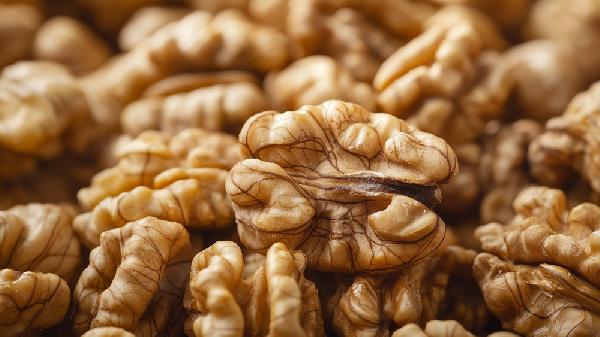
After freezing walnut kernels for 2 hours, the inner layer becomes brittle due to low temperature, and can be separated by gently rubbing. The freezing method can maximize the preservation of walnut kernel nutrition and is suitable for scenarios where the nutritional value of raw food needs to be maintained. Processed walnut kernels should be consumed or sealed for storage as soon as possible to avoid moisture regain after reheating.
5. Tool Assistance
Use a specialized nut stripper or rolling pin to lightly press the walnut kernels, causing the inner layer to rupture and peel off. The tool processing efficiency is high, but it may cause some nuts to break. It is recommended to use a soft cloth to cushion the pressure during operation, while selecting larger walnut kernels suitable for tool processing.
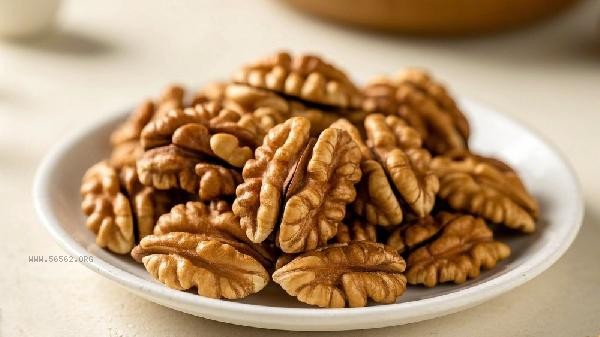
Walnut kernel endothelium contains antioxidant components, which can be retained if used in Tonic Diet or if the bitter taste is ignored. After removing the inner layer, it is recommended to seal and store the walnut kernels in the dark to avoid oil oxidation. Daily consumption should not exceed 20g per day. It can be added to oatmeal Congee, salad or baked goods. It can be eaten together with foods rich in vitamin E, such as spinach and avocado, to help absorb nutrients. Walnut kernels are rich in unsaturated fatty acids and trace elements, but those with weak constitution or gastrointestinal function should control their intake.








Comments (0)
Leave a Comment
No comments yet
Be the first to share your thoughts!