
Removing the fishy smell from lamb can be achieved through soaking, blanching, marinating with spices, neutralizing acidic substances, and pairing with deodorizing ingredients.
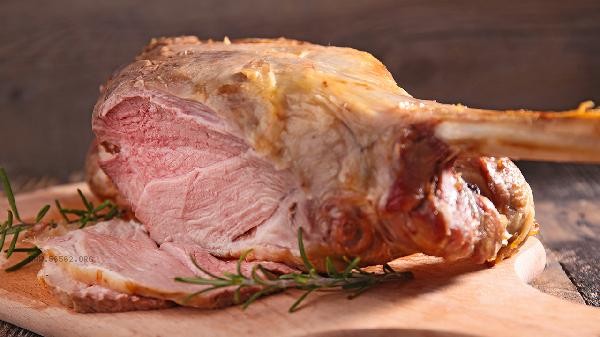
1. Soak
Cut the lamb into pieces and soak them in clean water for 1-2 hours, changing the water 2-3 times during the process. Clear water can dissolve some of the fishy substances in blood and fat, especially suitable for lamb chops or boned lamb. The soaking effect is better in a refrigerated environment, which can reduce the risk of meat spoilage. If there is enough time, a small amount of salt or flour can be added to the water to enhance the adsorption effect.
2. Blanch
Bring cold water to a boil, skim off the foam, add ginger slices and cooking wine, and blanch for 3-5 minutes. Blanching can effectively remove the residual blood stains and fatty fishy smell on the surface of lamb, while high temperatures solidify the protein and lock in the freshness. Pay attention to keeping the fire high throughout the process to fully evaporate the fishy substances. After blanching, immediately rinse with warm water to avoid meat shrinkage.
3. Seasoning
Mix Sichuan peppercorns, star anise, cinnamon and other spices with cooking wine to make a marinade. Apply evenly to the lamb and refrigerate for 2 hours. The volatile components in spices can undergo esterification reactions with fishy substances, and the alcohol in cooking wine can dissolve odor molecules. Thicker parts such as lamb leg meat can be cut and marinated to achieve a more thorough deodorization effect.

4. Neutralize acidic substances.
Soak briefly in lemon juice, white vinegar, or yogurt for 15 minutes before cooking. Acidic environment can decompose fishy compounds such as trimethylamine in lamb, and lactic acid bacteria in yogurt can also soften meat texture. This method is particularly suitable for roasted or stir fried lamb, and it is important to note that prolonged marinating can cause the meat to become sour.
5. When cooking with deodorized ingredients [SEP], add white radish, sugarcane, hawthorn and other ingredients to cook together. These ingredients contain proteases and fruit acids that can break down fishy substances, and polysaccharides in sugarcane can enhance their freshness and sweetness. During the stewing process, green tea or jasmine wrapped in gauze can be added to absorb odors using polyphenolic substances. Choosing fresh lamb can fundamentally reduce the fishy smell, as its fat content is lower than that of adult sheep. Remove visible fat and fascia during processing, as these areas are prone to accumulating fishy substances. Different parts are suitable for different deodorization methods, for example, lamb belly is suitable for blanching first and then stewing, and lamb shoulder meat can be marinated with spices for a long time. Avoid adding salt too early during the cooking process, as it may cause the meat to tighten and hinder the evaporation of odors. Lamb meat that has been deodorized can be paired with heavy spices such as cumin and rosemary to further mask the residual fishy smell, but it should be noted that people with special constitutions may be allergic to certain spices. When storing leftover lamb, it is necessary to seal and refrigerate it to prevent secondary adsorption of refrigerator odors.









Comments (0)
Leave a Comment
No comments yet
Be the first to share your thoughts!