
Tea stains on clothes can be removed by timely rinsing, using detergent, soaking in white vinegar, scrubbing with baking soda, wiping with lemon juice, and other methods.
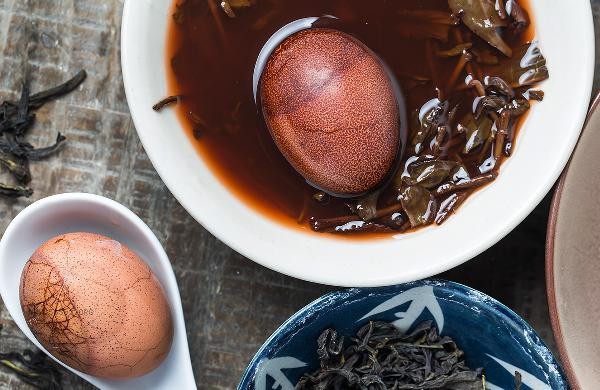
1. Rinse in a timely manner
When tea water first comes into contact with clothing, immediately rinse the stained area with plenty of water. Cold water can prevent further penetration of tea polyphenols into fibers and prevent pigment deposition. If the clothing can withstand high temperatures, you can aim the stain at the faucet and rinse it with hot water. High temperatures help decompose the tannic acid components in tea stains. When washing, flip the clothes inside and outside to ensure that the water flows through both sides of the fabric.
2. Detergent Treatment
Apply neutral laundry detergent directly to the tea stain and let it stand for 10 minutes. The surfactant in the laundry detergent can decompose oily tea stains. Silk and wool clothing should use specialized detergents with neutral pH values to avoid alkaline detergents damaging protein fibers. When handling, gently pat the edge of the stain with a soft bristled brush, and be careful not to rub horizontally to cause fiber pilling.
3. Soak in white vinegar
Mix white vinegar and water in a ratio of 1:2, and soak the tea stained area for 20 minutes. Acetic acid can neutralize theophylline and soften stubborn stains, suitable for natural fiber fabrics such as cotton and linen. After soaking, rinse thoroughly with clean water to avoid acetic acid residue causing the clothes to harden. Colored clothing should be tested in inconspicuous places to prevent fading caused by acetic acid.
4. Rub with baking soda
Take a small amount of baking soda powder and add water to make a paste. Gently rub the tea stain area with fingertips in a circular motion. The micro particles of baking soda have physical friction, and its weak alkalinity can decompose the oxidation products of tea polyphenols. When handling dark clothing, it is necessary to control the force, as excessive friction may cause localized whitening. After processing, residual alkali should be neutralized with citric acid solution.
5. Lemon Juice Wiping
Fresh lemon juice can be directly dropped onto tea stains and exposed to sunlight for 1 hour. The combination of citric acid and ultraviolet light can bleach pigments. This method is applicable to white cotton clothing, and the fabric's sun resistance needs to be confirmed before processing. Stubborn tea stains can be repeated 2-3 times, and after each treatment, rinse with clean water. This method is prohibited for delicate fabrics such as silk, as acidic substances can corrode silk protein. When dealing with tea stains, it is necessary to choose the appropriate method according to the material of the clothing, and natural fiber fabrics should avoid using strong acids and alkalis. It is recommended to send valuable clothing such as silk and wool for professional dry cleaning. Wear an apron to prevent stains when drinking tea in daily life, and treat tea stains as soon as possible for the best effect. When storing tea leaves, pay attention to sealing and avoiding light, as oxidized and spoiled tea leaves are more prone to stubborn stains. If the above methods still cannot remove it, a peroxide containing bleaching agent can be used for treatment, but it is important to check whether the laundry label allows bleaching.







Comments (0)
Leave a Comment
No comments yet
Be the first to share your thoughts!